Washington approved a Patriot missile sale for Ukraine on October 30, clearing a possible sale of 500 Patriot interceptor missiles worth an estimated $2.1 billion. The decision, announced by the United States State Department, counts among the most significant steps to supply defensive weapons to Kyiv since the start of the second administration of President Donald Trump, and it arrives at a moment when Ukraine’s cities remain under regular Russian missile and drone attack.
According to the State Department notification, Ukraine has requested 500 Patriot Advanced Capability-3, or PAC-3, Missile Segment Enhancement missiles, together with classified and unclassified spare parts, logistics support and related services. Lockheed Martin is named as the principal contractor for the interceptors. Officials stressed that the approval is a proposed foreign military sale, not a signed contract, and that quantities and the final price can still change as negotiations proceed.
Patriot missile sale: what was approved
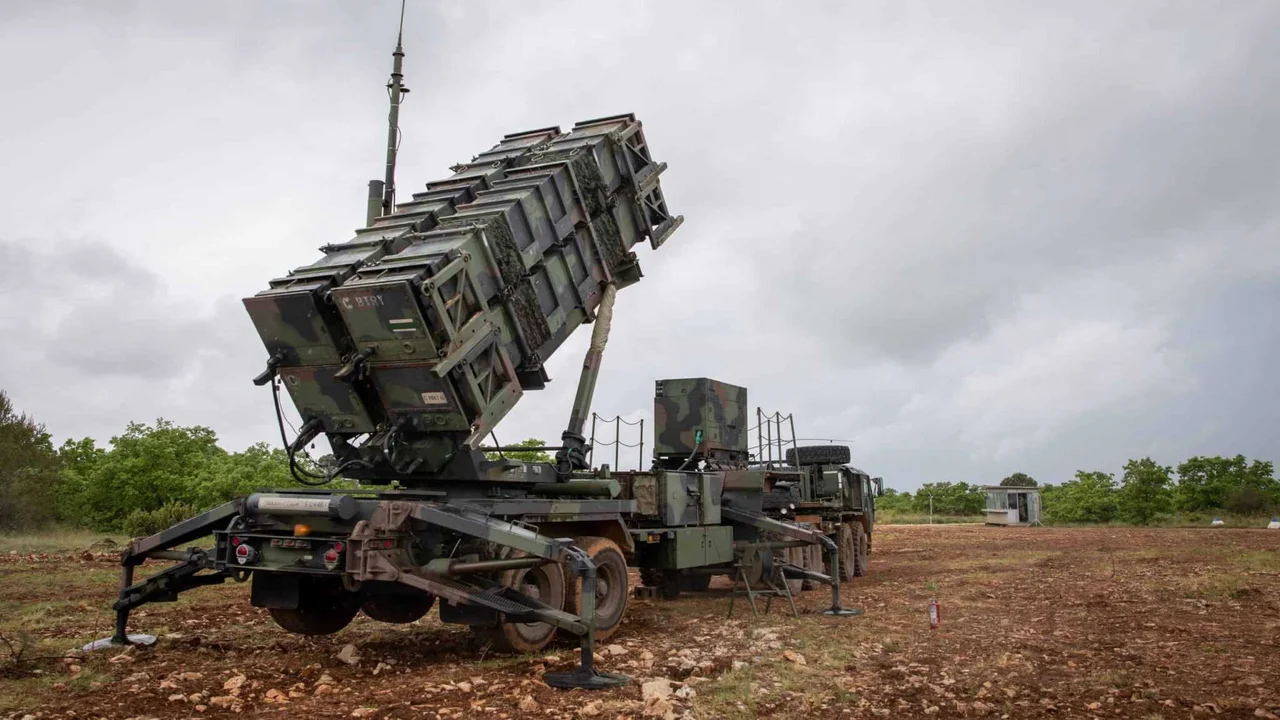
The package centres on the PAC-3 MSE interceptor, a high-velocity, hit-to-kill missile designed to destroy incoming ballistic missiles, cruise missiles and aircraft by direct impact rather than by exploding nearby. Each interceptor is carried in a canister on a Patriot launcher, and the system uses radar, command-and-control vehicles and launchers working together to detect, track and engage targets.
Reports of the notification put the estimated value at $2.1 billion for the full package, including spares and support, which works out at roughly $4.2 million per missile if the total is divided evenly. That figure, however, covers far more than the missiles alone, and the State Department gave no breakdown of how the cost is split between missiles, parts and services. No delivery schedule was published with the approval.
How allies will pay
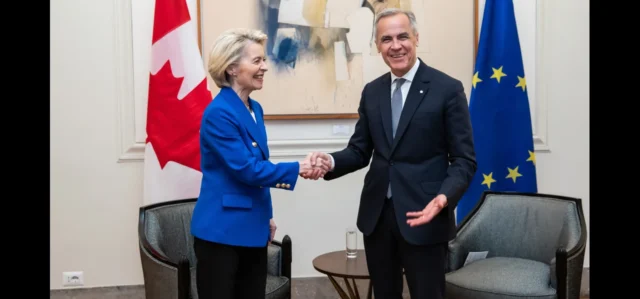
One striking feature of the deal is who pays for it. No United States government funds are involved, the State Department said. Instead, Ukraine will pay with donations from Canada, Germany and Norway routed through a programme called JUMPSTART, together with national funds financed by the European Union’s Ukraine Support Loan.
JUMPSTART, formally the Joint Ukrainian Multinational Program for Services, Training and Articles Rapid Timeline, was set up in 2022 as a mechanism for third countries to contribute money so Ukraine can buy American equipment. The programme uses allied donations to purchase weapons, services and training for Ukraine’s self-defence, according to the Pentagon. Earlier in 2026 it was used for an $825 million purchase of 3,350 air-launched cruise missiles, and it sits alongside the NATO-coordinated Prioritized Ukraine Requirements List, known as PURL, through which European allies buy United States weapons for Ukraine.
European governments agreed earlier in 2026 on a 90-billion-euro loan for 2026 and 2027, with a large share set aside for defence, and that loan forms part of the financing behind the new Patriot package. The State Department did not say how the $2.1 billion will be divided among Canada, Germany, Norway and the European Union-financed share.
Why Patriot missiles matter for Ukraine
Patriot batteries have become central to Ukraine’s defence of its cities, power grid and front-line positions. Russian forces have repeatedly targeted energy infrastructure and urban areas, and Ukrainian officials have warned for months that interceptor stocks are a limiting factor: every incoming missile that is not stopped risks civilian casualties and damage to the electricity network heading into winter.
Kyiv has pressed Washington and its European partners for more interceptors throughout the year, and the issue has at times strained relations between the United States and Ukraine. On October 19, reports said the United States appeared to have delayed the transfer of Patriot interceptors amid a falling-out between President Trump and Ukrainian President Volodymyr Zelenskyy over the direction of the war and peace efforts. Against that background, the October 30 approval was read by analysts as a signal that allied-funded air defence supply will continue, even as political disagreements persist.
NATO’s top military commander in Europe, General Alexus Grynkewich, sought on the same day to play down concerns about delays. Speaking to reporters in Riga, Latvia, he said that not a single item included in a PURL package paid for by European allies had been delayed, and that Washington was continuing to supply Ukraine with Patriot missiles and other weapons bought under that framework. The State Department, however, did not immediately say how the newly approved missiles relate to those earlier shipments, or when any of the 500 interceptors might arrive.
What happens next
Under United States law, Congress now has a review period for the proposed sale, generally 30 days for Ukraine, during which lawmakers can raise objections. If the sale clears that stage, Ukraine and the United States government can sign a letter of offer and acceptance, and the United States Army can then place an order with Lockheed Martin. Manufacturing and delivery of complex weapons systems can take months or years, and foreign military sales notifications are often only the first step in a long process.
For Ukraine, the immediate significance is therefore less about missiles arriving tomorrow than about supply being secured for the months ahead. Air-defence commanders plan around stocks they know are coming, and a 500-missile package, if delivered in full, would represent a substantial replenishment. For Washington, the structure of the deal also matters politically: because allies are paying, the administration can present the sale as support for Ukraine without new United States spending, at a time when the cost of aid remains contested at home.
For now, this Patriot missile sale remains a proposed sale, not a signed contract. Reactions from Kyiv, Moscow and European capitals will be watched closely in the coming days, as will any further detail on delivery timing and on how the allied funding is shared. For now, the approval marks one of the largest single Patriot packages cleared for Ukraine, and a reminder that, despite diplomatic friction, the allied pipeline for Ukrainian air defence remains open.
Read more world news on sialnews.com.