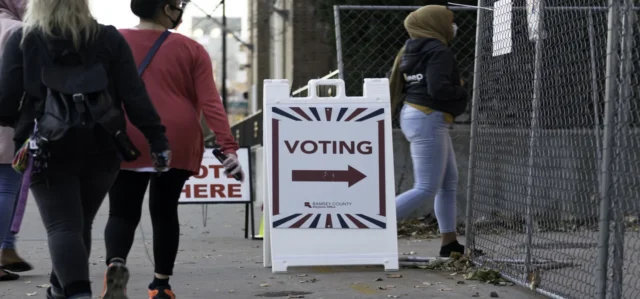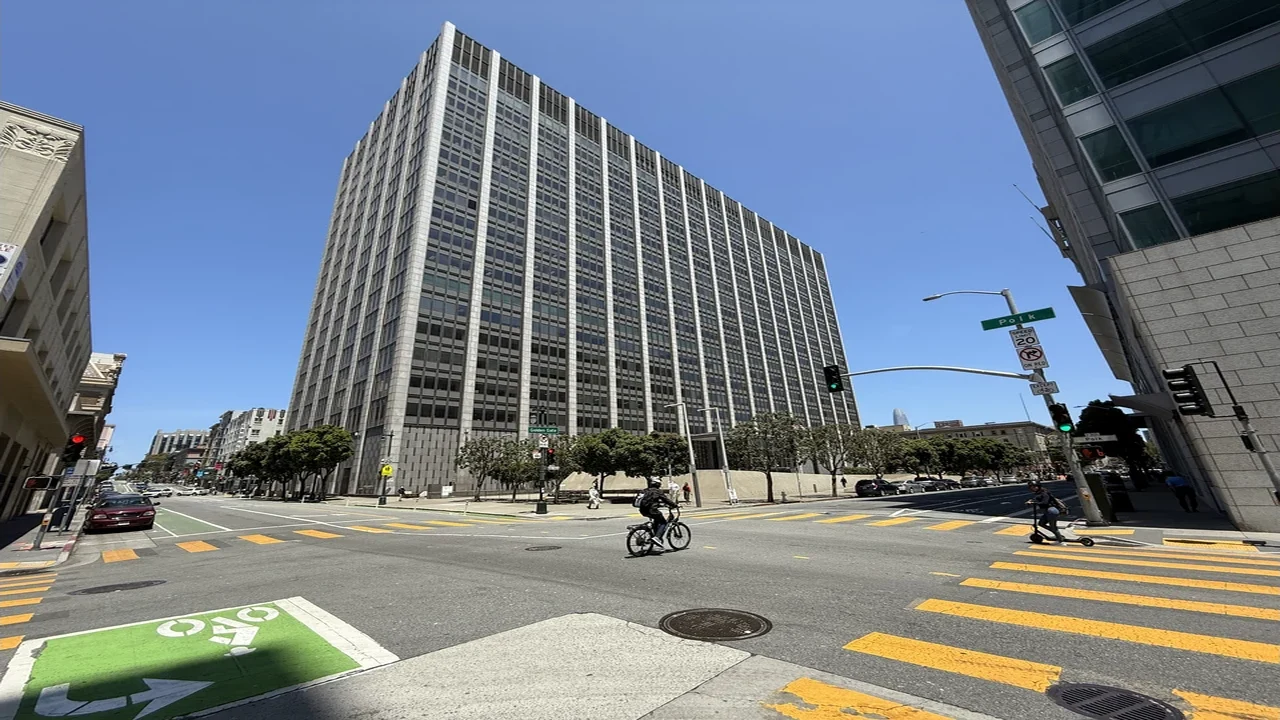
Washington faced a major courtroom setback on Friday evening when a federal judge in San Francisco issued an emergency order stopping the Trump administration from pressuring election officials across the United States just days before voters head to the polls. US District Judge Trina Thompson granted a temporary restraining order that bars the Justice Department and the Department of Homeland Security from a series of aggressive tactics the administration had used in recent days to demand changes in how ballots are handled.
Thompson ruled that the administration’s campaign, although presented as an effort to stop unlawful voting by noncitizens, risked doing real damage to the election itself. “Although Defendants claim that their actions are designed to halt unlawful voting by noncitizens, their actions are likely to have the effect of interfering with election administration and disenfranchising lawful voters,” she wrote in her opinion granting the order on Friday evening.
What the emergency order blocks
While the order is in place, the Justice Department and the Department of Homeland Security cannot demand that election officials in any state segregate ballots, purge voters from voter rolls, or halt ballot processing. Thompson also blocked threats of criminal prosecution against election officials from those agencies, and said the administration cannot take other actions that “threaten, intimidate or coerce” election officials into changing ballot processing procedures on claims that voters are ineligible.
Thompson went further on a point at the heart of the dispute. She wrote that when state and local government employees distribute, process or count ballots, or otherwise administer the 2026 midterm election, in accordance with the law, “they do not violate federal criminal law even if a particular ballot belongs to a registered voter alleged by Defendants to be ineligible to vote.” That passage directly rejected claims the administration has made for months that it can and will prosecute election officials for not doing enough to prevent illegal voting.
Thompson also ordered the administration to inform her of any search warrant applications, grand jury subpoenas, or other demands to access election materials or ballots connected to lists the administration created to allege that individuals are ineligible to vote. She set the order to expire on November 16, after the election. The Justice Department had no immediate comment on the ruling, and CNN reported that it had reached out to the department for comment.
Who brought the case
The case was brought in the Northern District of California by a coalition of labour unions and civil rights groups, including the Service Employees International Union, the American Federation of State, County and Municipal Employees, the NAACP and the League of United Latin American Citizens. Thompson, who was appointed by former President Joe Biden, granted the restraining order without waiting for the government to respond, finding that the legal requirements for emergency relief had been met.
Central to the administration’s efforts is a controversial data-matching operation led by the Department of Homeland Security that has compared state voter lists with federal records. Federal officials have used the results to build lists of voters they allege are ineligible, and then pressed states to act on those lists. In the months leading up to the midterms, the administration has taken an increasingly aggressive approach to election oversight, pressing states for voter registration data and saying stricter measures are needed to ensure election security and public confidence in the vote.
Thompson’s opinion found that the balance of interests favoured the plaintiffs. “Because the public has a paramount interest in ensuring that election officials and workers are able to carry out their work in accordance with federal law and election procedure, and the official day of the Elections is only a couple of days away, the balance of the equities and public interest weigh in Plaintiffs’ favor,” she wrote.
Why the ruling matters now
Timing gives the ruling its force. The decision landed four days before the midterm elections on November 3, which will determine control of Congress, where Republicans currently hold narrow majorities in the House of Representatives and Senate. Early voting has already surged to a record, with 47.9 million Americans having cast ballots ahead of Election Day, surpassing the previous midterm record of 45.9 million set in 2022, according to the University of Florida’s Election Lab.
For election workers, the order removes an immediate threat that had hung over their work in the final days of the campaign. Officials in several states had faced federal demands tied to the administration’s ineligibility lists, and the ruling now bars Washington from using prosecution threats to force changes in ballot handling while voting is under way.
A separate lawsuit in Washington is targeting the same federal push against state election offices. There, Chief US District Judge James Boasberg ordered the government to identify every state where it had demanded that officials remove voters, withhold ballots or set ballots aside since July 1. Together, the two cases amount to the most significant judicial check so far on the administration’s election oversight campaign.
What happens next
Thompson’s order is temporary, and it expires on November 16. The administration can seek to challenge it or return to court with a fuller response, and the underlying lawsuit will continue after the election. Election officials, meanwhile, will administer the final days of voting and the count under the protection of the order, without the threat of federal prosecution for following state and federal law.
Reactions from the Justice Department, state election offices and voting rights groups will be watched closely in the coming days, as will any appeal by the administration. For now, the ruling stands as a clear judicial line: federal officials cannot use threats of prosecution to reshape how ballots are processed in the middle of an election.