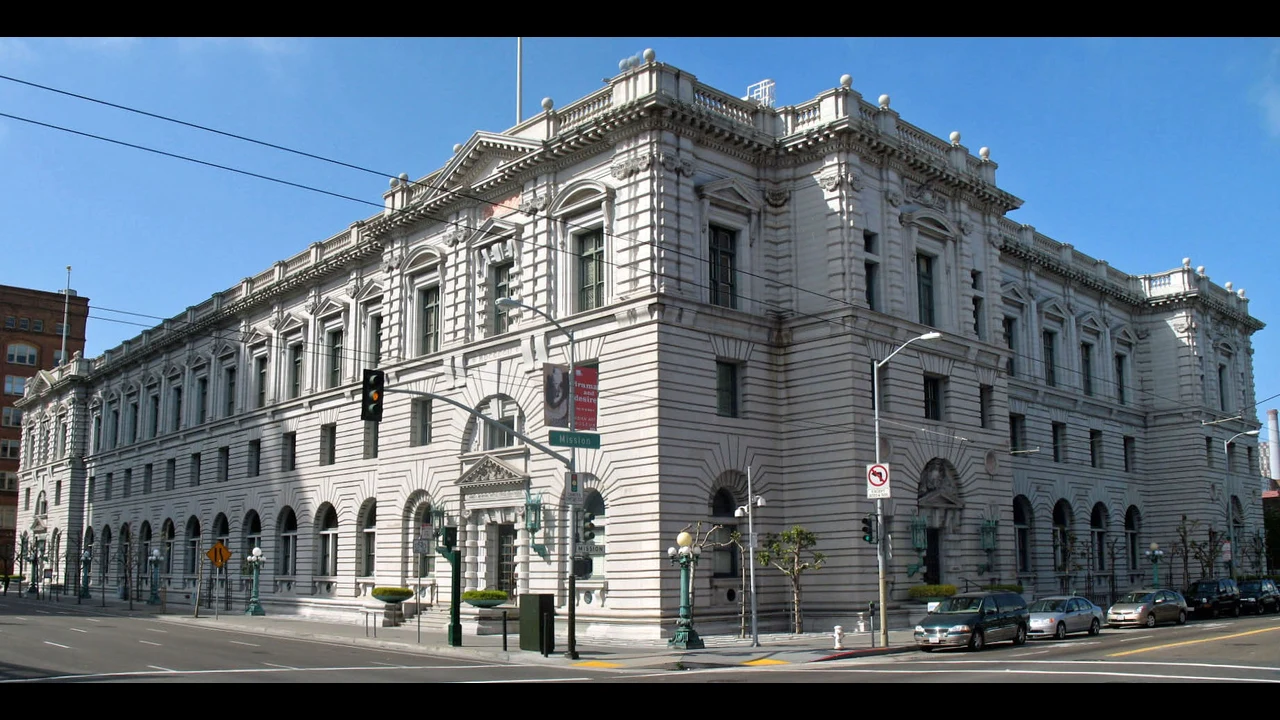
Federal appeals judges in San Francisco refused on Friday to stop California from counting mail ballots from more than 20,000 registered voters the Trump administration alleges are likely noncitizens, handing the administration its second defeat in the case in less than a week.
California will therefore keep counting those ballots under its normal procedures just days before the November 3 midterm elections, when Republicans are fighting to retain their majorities in both chambers of Congress.
A three-judge panel of the Ninth Circuit Court of Appeals rejected the Justice Department’s emergency request by a 2-1 vote, according to reports of the ruling from Reuters, the Associated Press and other outlets covering the decision.
Judges Mark Bennett and Gabriel Sanchez formed the majority. Bennett was appointed by President Donald Trump during his first term, while Sanchez was appointed by former President Joe Biden.
“There is a material risk that granting the United States its requested relief would result in disenfranchisement,” Bennett and Sanchez wrote, pointing to a lower court’s finding that the administration’s voter list may not be fully reliable.
Their ruling went further, warning that the requested order would do more than separate ballots for later review. “The consequence of the United States’s request is not merely ballot segregation, but ultimately both the cancellation of the ballot and the removal of voters from the voting rolls,” the majority wrote.
Judges in the majority also said granting the request would violate the Constitution’s Elections Clause, which gives states the primary role in running elections, and would risk putting the entire tabulation process in jeopardy.
Judge Patrick Bumatay dissented. Bumatay, also appointed by Trump, called the administration’s request a reasonable and modest remedy, arguing that it would not cancel any vote but would give officials time to verify citizenship.
California officials have refused to set the ballots aside, describing the federal government’s data as suspect and questioning whether the names on its list are in fact foreign nationals.
Noncitizen voting in federal elections is illegal in all 50 states, including California, and the state has said its safeguards against it are robust.
Friday’s decision was the second time in the same week that the Ninth Circuit turned the administration away in this dispute. On Monday, the same panel rejected an earlier emergency appeal, saying the administration had not given lower courts adequate time to weigh the matter.
Two days later, US District Judge David Carter denied the administration’s request for a temporary restraining order, writing that the proposed order would wreak havoc on the election and could have a chilling effect on election workers and voters alike.
Friday’s ruling was an appeal of Carter’s decision, and it leaves the disputed ballots subject to California’s normal counting procedures while the underlying lawsuit continues.
Central to the case is a list the administration sent California on October 12, barely three weeks before the election, naming more than 20,000 people it described as likely noncitizens who had received mail ballots.
California asked for proof that the people on the list were indeed not citizens, and the Justice Department sued the state on October 15, seeking an order requiring California and Los Angeles County to separate any ballots from people on the list and hold them until citizenship could be verified.
Judges in the majority accepted the lower court’s view that there was no feasible way to identify and segregate the ballots of specific individuals without potentially catastrophic effects on the whole system, according to the ruling.
Friday’s ruling does not end the case. The Justice Department’s lawsuit against California is still pending, and court watchers expect the administration to appeal to the US Supreme Court, setting up a possible showdown days before voters go to the polls.
Democrats nationally have criticised the ballot challenges as an effort to intervene in state-run elections, while the administration has said its measures are needed to prevent votes by noncitizens from diluting the votes of eligible citizens.
For California voters, the immediate effect is straightforward: ballots already cast will be counted as usual, and the state’s election officials will continue their work under existing state procedures through Election Day and the count that follows.