Admiral Brad Cooper, the top United States commander in the Middle East, briefed President Donald Trump in person at the White House on Thursday on military options for Iran, as Washington weighs resuming major combat operations after the November 3 midterm elections.
Cooper rarely briefs Trump in person, according to the Wall Street Journal, which first reported the meeting, and the rare visit has been read in Washington as a sign that the administration is moving closer to significant military operations.
Defence Secretary Pete Hegseth and General Dan Caine, chairman of the Joint Chiefs of Staff, attended the briefing along with other cabinet members, the Journal reported, citing US officials and other people with knowledge of the meeting.
Axios later reported that the briefing also focused on the ongoing naval blockade against Iran, citing US officials, and said Trump wanted to hear directly from Cooper on whether the blockade was working.
United States officials have told Arab Gulf leaders to prepare for a short but intense military campaign after the midterm elections, the Journal reported, and MS NOW reported on Friday that such strikes could begin as soon as November 4, the day after the vote, citing three senior Gulf Arab officials.
No final decision has been confirmed, and Trump has said the United States will not strike Iran before the midterm elections, a pledge he repeated earlier in October.
Trump told Kansas City radio station KCMO on Friday that the war with Iran would end soon, while offering no details on how it might be brought to a close. “It’s going to get wrapped up soon,” he said, adding that Washington needed a guarantee that Iran would never possess a nuclear weapon.
At a rally last week, Trump also raised the possibility of renewed strikes, telling supporters: “We may do another little Epic Fury, or they’ll agree.” Epic Fury was the name given to the major US-Israeli bombing campaign against Iran in the spring.
A White House official, responding to the reports, said: “President Trump keeps all options on the table to ensure that Iran can never have a nuclear weapon.” The White House has not commented in detail on the reported military plans.
Axios separately reported that Trump could be more inclined to order a major military operation against Iran if Republicans suffer heavy losses in the midterm elections, citing a US official. A White House official told the outlet that election results would not influence Trump’s decisions on Iran.
Senator Chris Murphy, who said he had been briefed on the plan to restart the war, called it “insane” at an event organised by the Middle East Institute in Washington on Wednesday, warning that it would lead to a “devastating escalation.”
Diplomacy has continued in parallel with the military preparations. Vice President JD Vance sent a letter to Iran about resuming ceasefire talks, according to US media reports, and Trump said on Wednesday that Vance’s outreach was aimed at helping Iran obtain medical supplies.
Iran has received the letter but has yet to respond, the semi-official Tasnim news agency reported on Thursday, adding that Tehran wants Washington to meet its conditions before talks resume.
Qatari mediators have been trying to bring the two sides back to direct negotiations, and Pakistan’s military said on Friday that it was “cautiously optimistic” about its mediation efforts between Tehran and Washington, following a high-level delegation’s visit to Iran earlier in the week.
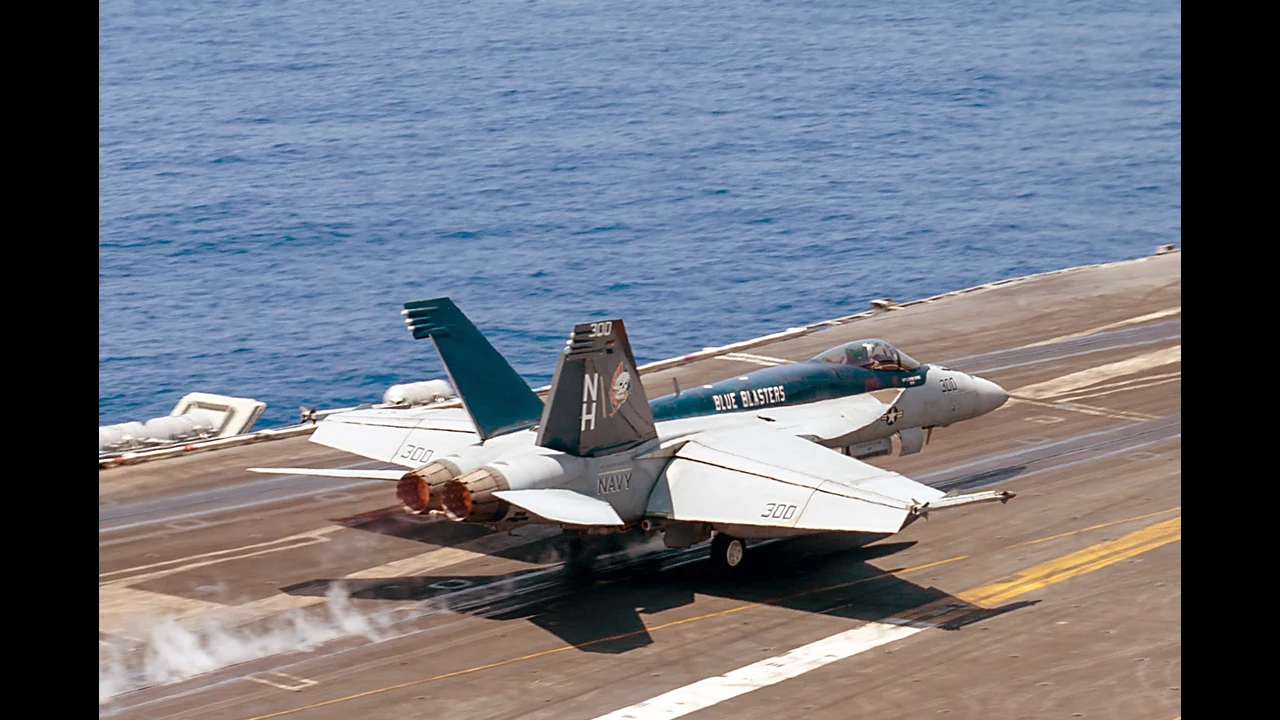
Military preparations have also moved in step with the diplomacy. A third carrier strike group led by the USS Theodore Roosevelt, with the 13th Marine Expeditionary Unit, is expected to reach the Middle East by late November, according to two US officials cited in US reporting.
Reports have said potential targets in any renewed campaign could include Iran’s energy infrastructure, nuclear facilities and stockpiles of missiles and drones, while Iran has threatened to strike a broad range of US and Gulf targets in response to any American attack.
Domestically, the war has become a political issue ahead of the vote. A Harvard CAPS-Harris poll found that only 35 percent of registered voters approved of Trump’s handling of the Iran war, and Pentagon figures provided to Congress put the cost of the first seven-and-a-half months of the conflict at more than 47 billion dollars.
For now, neither a deal nor a new round of strikes is certain. The briefing is confirmed through multiple reports, the post-election warnings to Gulf allies are reported but not officially confirmed, and Trump himself has said the war will end soon without explaining how.
What is known next is the calendar: voters go to the polls on November 3, the earliest reported date for any renewed campaign is November 4, and the third carrier group is expected in the region by late November, giving Washington additional firepower should it choose to act later.