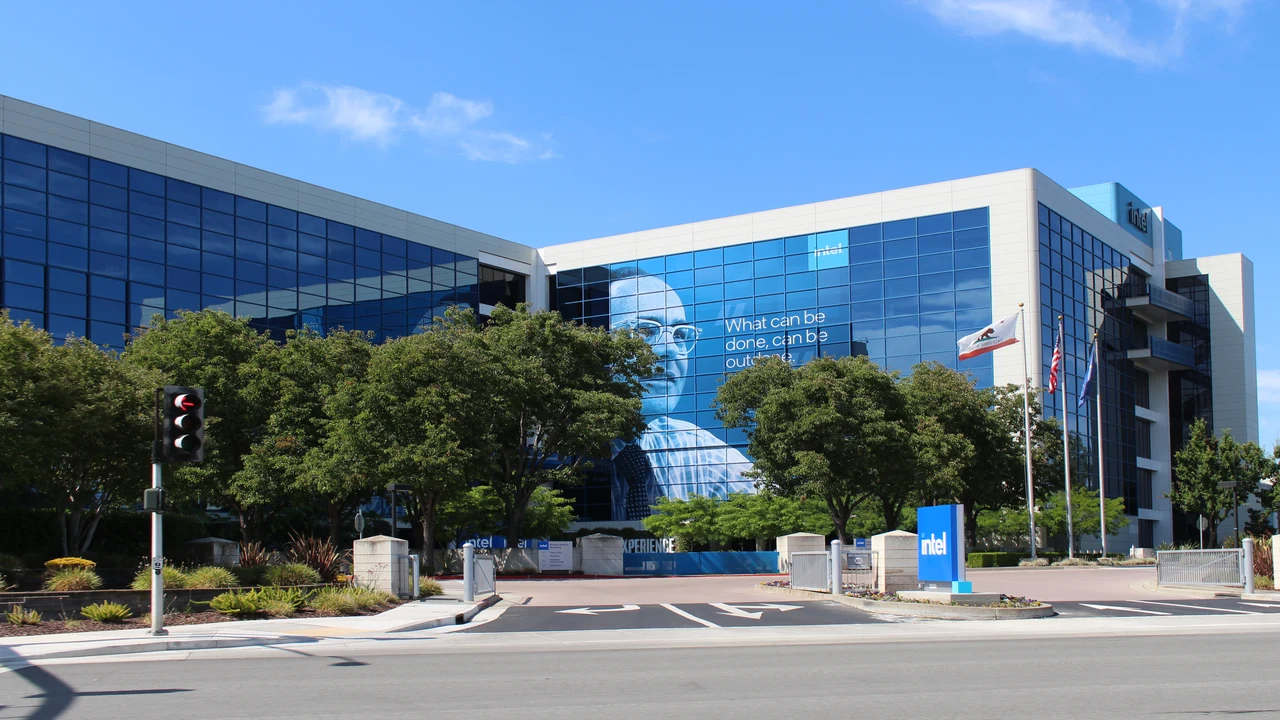
Intel shares collapsed by 28.6 percent on Friday, October 30, closing at $65.76 after a fourth-quarter forecast that fell far short of Wall Street expectations, marking the chipmaker’s worst single trading day since 1974.
Shares had closed at $92.07 on Thursday and fell by as much as 30 percent during Friday’s session, wiping out more than $146 billion in market value in a single day and dragging the wider technology market down with them. The fall matters because it tests how much faith remains in the AI spending boom, and because Intel’s warning turned wider unease about technology earnings into a sell-off. Punishment came for the forecast, not for the quarter just reported.
Intel’s third-quarter revenue rose 21 percent from a year earlier to $16.5 billion, while adjusted earnings reached $0.52 per share, beating the $0.40 analysts had expected. Revenue from the data centre and artificial intelligence business jumped 78 percent to $7.3 billion, its fastest pace in 15 years, as demand for AI server processors surged.
Guidance for the final three months of the year told a different story. Intel expects fourth-quarter revenue of $15 billion to $16 billion, against roughly $17.1 billion analysts had modelled, and adjusted earnings of $0.25 per share, against forecasts of $0.43. Non-GAAP gross margin is forecast at 38 percent, down from 44.1 percent in the third quarter. Chief financial officer David Zinsner told investors the company does not expect positive cash flow this year, and warned that the personal computer slowdown would continue at least into the first half of next year.
Three problems explain much of the deterioration. Weakening demand for personal computers sits at the centre: Intel’s PC chip division, which accounts for roughly half of its revenue, brought in $8.1 billion in the third quarter, down 5 percent, and the company expects its revenue to fall by more than 20 percent from the third quarter to the fourth. Intel now expects PC shipments to fall about 12 percent this year and another 10 percent in 2027.
Memory prices have made the squeeze worse. AI data centres are buying up the world’s memory chips, pushing up the cost of laptops and desktops, and PC makers have responded by cutting orders and running down inventory. At the same time, Intel cannot make enough chips for AI servers, the fastest-growing part of the market, because of manufacturing and packaging shortages.
An explosion at Intel’s Fab 28 plant in Kiryat Gat, Israel, on October 14 added to the damage. Two workers were killed in the accident, which caused an extended shutdown, and Zinsner said it would cost about $600 million in revenue over two quarters.
Analyst reaction was blunt. Bernstein analyst Stacy Rasgon described the outlook in one word as terrible, Bank of America downgraded the stock to neutral, saying Intel had not shown enough traction with outside foundry customers, and Jefferies called the December-quarter outlook a substantial reset, cutting its price target to $85 from $120.
Selling spread quickly across the sector. The Philadelphia Semiconductor Index finished 7.2 percent lower, with Advanced Micro Devices down 10.88 percent, Nvidia down 4.22 percent, Qualcomm down 11.12 percent and Broadcom and Micron each down more than 5 percent. Wall Street’s main indexes all closed lower: the Nasdaq Composite fell 2.86 percent to 25,437, its worst day since June, while the S&P 500 lost 1.82 percent to 7,580.07 and the Dow Jones Industrial Average dropped 1.09 percent to 51,770.31. Bitcoin fell more than 4 percent as risk appetite faded.
Attention now turns to the December quarter itself and to the first results of 2027. Investors will watch whether PC orders stabilise, whether the Kiryat Gat plant returns to full production on schedule, and whether Intel can convert booming AI server demand into shipped product rather than constrained supply.