Using smartphones can improve memory

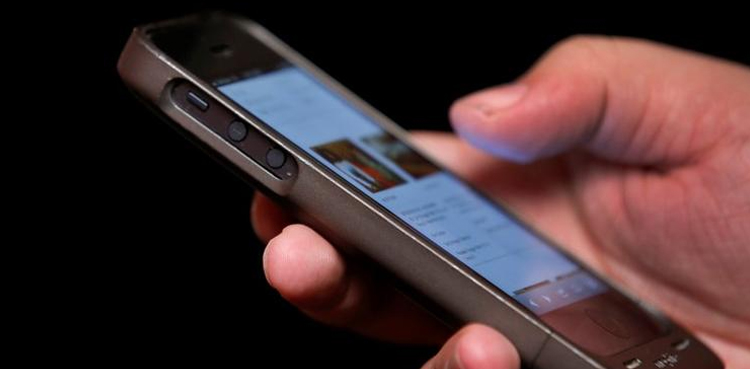
A research finding suggested that the use of smartphones and other digital devices can improve memory skills.
The findings were published in the Journal of Experimental Psychology.
The lead author of the study, Sam Gilbert, speaking to the media, said the goal of his research was to find how memory skills are influenced by device use.
“We found that when people were allowed to use an external memory, the device helped them remember the information they had saved on it,” he said. “This was not surprising, but we also found that the device also improved people’s memory for unsaved information.”
Related – Smartphones can be used as a pocket doctor.
He said that people used their own memory to store the most valuable information that they would like to remember. He went on to say that people save additional important information on the device, adding that they use their own memory to store information that may not be as important.
The 158 subjects, between 18 and 71 years old, were forced to perform the memory on a computer and tablet. The researchers showed 12 circles to the participants. They were instructed to put some on the right side and some on the opposite side.
The two designated sides were called “high value” and “low value”. Remembering and dragging the circles on the high value meant 10 times more money than those who placed on the low value side.
Related – Smartphones drive connections of American teens: survey
Subjects performed the memory task 16 times using their own memory to memorize half of the experimental trials and were allowed to set reminders for the other half on the digital devices.
They found that the participants used the device to store information about the high-value circles.
Using the devices improved their memory by 18 percent.
There was a 27 percent increase in low-value circles, even in those who didn’t use the devices to set reminders for low-value circles.
Their memory for the low-value circles saw a 27 percent increase, even in subjects who didn’t set reminders on their devices.
The researchers called the findings “a potential cost of using reminders.”
They found that subjects remembered the low-value circles better than the high-value circles when the reminders were removed. He stated that “they had entrusted the high-value circles to their devices and then forgotten about them.”
He said that external memory tools play a role in increasing memory capacities.
“Far from causing ‘digital dementia,’ using an external memory device may even improve our memory for information we never save,” he said.
He added: “We must be careful to back up the most important information. Otherwise, if a memory tool fails, we might be left with nothing but minor information in our own memory.”