The United States is offering up to $20 million, plus possible relocation, for information about Iran’s nuclear programme. The offer was announced on Friday, 6 November 2026, by US Central Command in a post on X, through the State Department’s Rewards for Justice programme.
In simple terms, Washington is asking people who know something to come forward, and it is offering a large sum of money in return. The programme behind the offer has been used for many years to pay for information that can help protect American lives and interests. It does not ask for opinions or rumours. It asks for facts that can be checked.
US Central Command said the reward was for “information about Iran’s nuclear facilities, equipment, and associated personnel” — including scientists — and the movement of any of these. That wording matters, because it covers not only buildings and machines, but also the people who work on them and where those people and items go.
Tips can be sent through Signal, Telegram and Tor browser. Those channels are meant to let a person share information without giving away their name in public. The US government has not said what exact piece of information would earn the full $20 million. The amount is described as “up to” that sum, so a smaller reward may be paid for less important information.
What $20 Million Reward Covers
| Reward | Up to $20 million |
| Relocation | Possible |
| Programme | Rewards for Justice, established 1984 |
| Information wanted | Facilities, equipment, personnel, movements |
| Tip channels | Signal, Telegram, Tor |
The offer is open to information about places where nuclear work may be happening, the machines used in that work, and the experts involved. It also covers movement. In other words, if a facility, a piece of equipment or a person linked to the programme moves from one place to another, that movement can also be reported.
Relocation is listed as possible, not promised in every case. That means a person who gives useful information may be helped to move to a safer place, if that is needed and if the US government agrees. The details would depend on the case.
Why US Wants Iran Nuclear Information
The State Department says Iran failed to comply with its safeguards duties to the International Atomic Energy Agency, known as the IAEA. Safeguards are the rules and checks that let inspectors visit, measure and keep records. When those checks break down, inspectors lose what is called “continuity of knowledge.” In plain words, they no longer have a full, unbroken record of what was made, how much was made, and where it is now.
That gap matters most for key nuclear parts, including centrifuges. A centrifuge is a fast-spinning machine that separates uranium. It is a basic tool for making fuel for power stations, but the same tool can also be used to make material for a weapon, depending on how far the process goes.
Uranium enrichment is a way of raising the strength, or purity, of uranium. The IAEA reported in 2025 that Iran was enriching uranium to 60% purity. That is a short technical step from 90%, the level generally linked to weapons-grade uranium. The number does not mean Iran has a weapon. It means the material is much closer to weapons-grade than the low levels used for ordinary power.
Iran is the only state without nuclear weapons to have produced uranium at such a high level. Experts estimate the quantity could be enough for several nuclear weapons if it were enriched further. That estimate is about what could happen, not a claim that a weapon has been built. It is one reason Washington says it needs clearer information now.
Rewards for Justice was established in 1984. Since then, it has offered money for information that can stop attacks and protect American lives and interests. The new reward fits that pattern. It is aimed at filling a gap in knowledge, not at asking the public to guess what Iran may do next.
Iran Nuclear Programme After US Strikes
President Donald Trump has repeatedly said US strikes effectively obliterated Iran’s nuclear programme. The reward suggests that, even after those strikes, Washington still wants to know what remains, where it is, and who is working on it.
He spoke on Friday night in West Palm Beach, Florida. His words linked the strikes to Israel’s safety and to the wider Middle East. He said: “If we didn’t hit Iran, you wouldn’t have Israel today. If they had nuclear, they would have used nuclear. They would have obliterated the Middle East.”
Trump also said Iran’s economy and military had been severely damaged during eight months of war. He said Tehran now wants an agreement, adding: “We’re dealing with them now. They want to make a deal very badly.”
Iranian President Masoud Pezeshkian said on Tuesday that his government was still seeking to resolve the crisis through dialogue. Mediation efforts by Qatar continue. That means talks have not ended, even while pressure and public warnings continue.
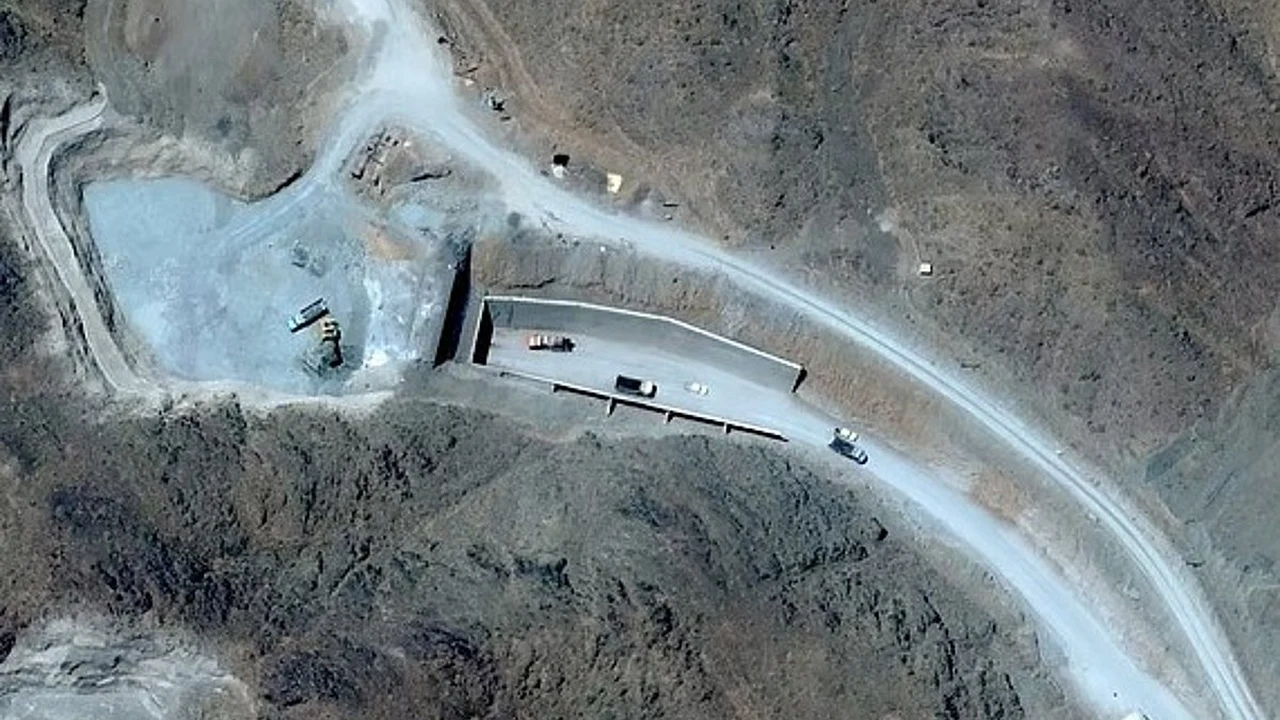
Earlier this week, Trump said Washington still had to “take care” of one or two targets in Iran, including Pickaxe Mountain in central Iran. He described it as a suspected nuclear site. Tehran denies that it is such a facility. The mountain is therefore one of the places at the centre of the dispute, and one reason the reward may draw attention to locations that are not already well known.
What happens next is not clear. Three paths are open at the same time. Talks may continue, with Qatar helping both sides to speak. Pressure may grow, through rewards, warnings and further action against named targets. Or the two tracks may run together, with talks and pressure used side by side. For ordinary readers, the key point is simple: the reward is both a search for facts and a signal. It tells anyone with inside knowledge that Washington is still looking, and it tells Iran that the US does not believe the story is finished.
Iran Nuclear Reward FAQs
What is Rewards for Justice?
It is a US State Department programme, established in 1984, that offers money for information that helps protect American lives and interests.
What information does the US want?
Information about Iran’s nuclear facilities, equipment and associated personnel, including scientists, and the movement of any of these.
Why does the US need this information now?
Because the State Department says inspectors have lost a full record of Iran’s production and stock of key nuclear parts, including centrifuges, after Iran failed to comply with IAEA safeguards.