Pakistan may soon redraw its map. A proposal under discussion in Islamabad would split the country’s four provinces into 12 smaller units, with a nationwide referendum held first to ask the public. The change, if it goes ahead, would come through a possible 28th Constitutional Amendment.
The proposal is still at an early stage. No final decision has been taken on boundaries, names, headquarters, or how powers and money would be shared. Sources familiar with the plan say preparatory work could begin in the first three months of 2027, and the amendment itself could be taken up in the first half of the year. But none of that is settled yet.
Proposed Split: Punjab Four, Sindh Two
Under the plan as reported, Punjab would be divided into four provinces. Khyber Pakhtunkhwa and Balochistan would each get three, and Sindh would be split into two. That would take the total from four to 12.
| Current province | Proposed provinces |
|---|---|
| Punjab | 4 |
| Khyber Pakhtunkhwa | 3 |
| Balochistan | 3 |
| Sindh | 2 |
| Total | 12 |
Referendum Before 28th Amendment
A key part of the plan is a public vote first. The idea is to ask people directly whether new provinces should be created, so the decision carries a clear public mandate instead of being settled only through political bargaining. The referendum would come before the amendment process begins.
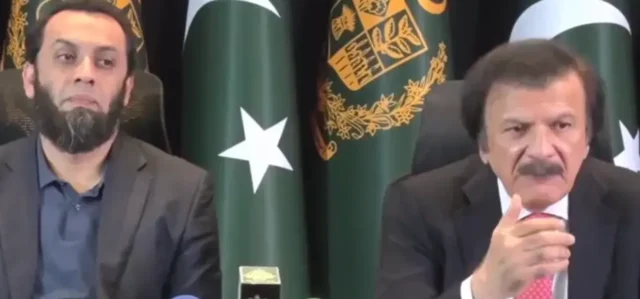
Even so, a referendum alone would not be enough. Changing the number of provinces means changing the Constitution, and that needs broad political agreement. Under Article 239 of the Constitution, altering a province’s boundaries needs the approval of at least two-thirds of that provincial assembly, as well as a two-thirds majority in Parliament. The Prime Minister’s Adviser on Political Affairs, Rana Sanaullah, has said any referendum would need Parliament’s approval, and that Parliament alone would decide whether provinces are created.
Why Smaller Provinces Matter
Supporters say the case is simple: Pakistan’s provinces are very large. Punjab alone is home to more than 120 million people — more than most countries in the world. When one provincial government has to look after that many people, decisions take longer, and far-off districts often feel ignored.
Smaller units, supporters argue, would bring government closer to ordinary people. Local problems would be easier to spot, public services easier to run, and development money easier to track. The aim, in the words of those behind the proposal, is to make the state more accessible and more accountable to the people.
The debate is not new. Demands for new provinces — South Punjab, Hazara, and others — have surfaced for years, usually tied to identity and politics. What is different this time is the framing: the proposal is being presented as an administrative reform, not a political reward. Defence Minister Khawaja Asif, who backed the idea on Sunday, said new provinces must not be created on the basis of language, ethnicity or political interests.
Asif, speaking to Geo News in Sialkot, said the proposal had been under discussion for around two months. “If there is a proposal for 12 provinces, then make it 12, but they should not be created on the basis of language, ethnicity or political interests,” he said. He argued that power should not stay locked in provincial capitals — Lahore, Karachi, Quetta and Peshawar — and should instead be passed down to smaller units. He also pointed to the past: Pakistan once merged its provinces into One Unit, a step later reversed, and he noted that Afghanistan had raised its provinces from around eight or 10 to more than 30.
What Happens Next
For now, the plan remains a proposal, not policy. Planning Minister Ahsan Iqbal said on October 30 that the government was not drafting a 28th Amendment to create new provinces, and argued instead for stronger local governments. That stands in tension with the new reports, and it shows the idea still faces resistance inside government itself. Weeks earlier, on September 4, Iqbal had himself called for a national debate and floated 12 to 15 provinces.
The next steps, if the proposal moves forward, would be long: agreement on boundaries and names, a referendum, then a constitutional amendment needing a two-thirds majority in Parliament and the consent of the provincial assemblies concerned. Nothing in that chain is quick, and each step could stall. For now, the public debate has begun — and the referendum idea puts voters, not just politicians, at the centre of it.
No. The plan is only a proposal under discussion. No final decision has been taken, and it would need a referendum plus a constitutional amendment to become real.
Under the reported plan, Punjab would become four provinces, Khyber Pakhtunkhwa and Balochistan three each, and Sindh two — 12 in total. Boundaries and names have not been decided.
Sources say preparatory steps could begin in early 2027, with an amendment possibly taken up in the first half of the year. But the timeline is not fixed, and the government has also said it is not drafting such an amendment.