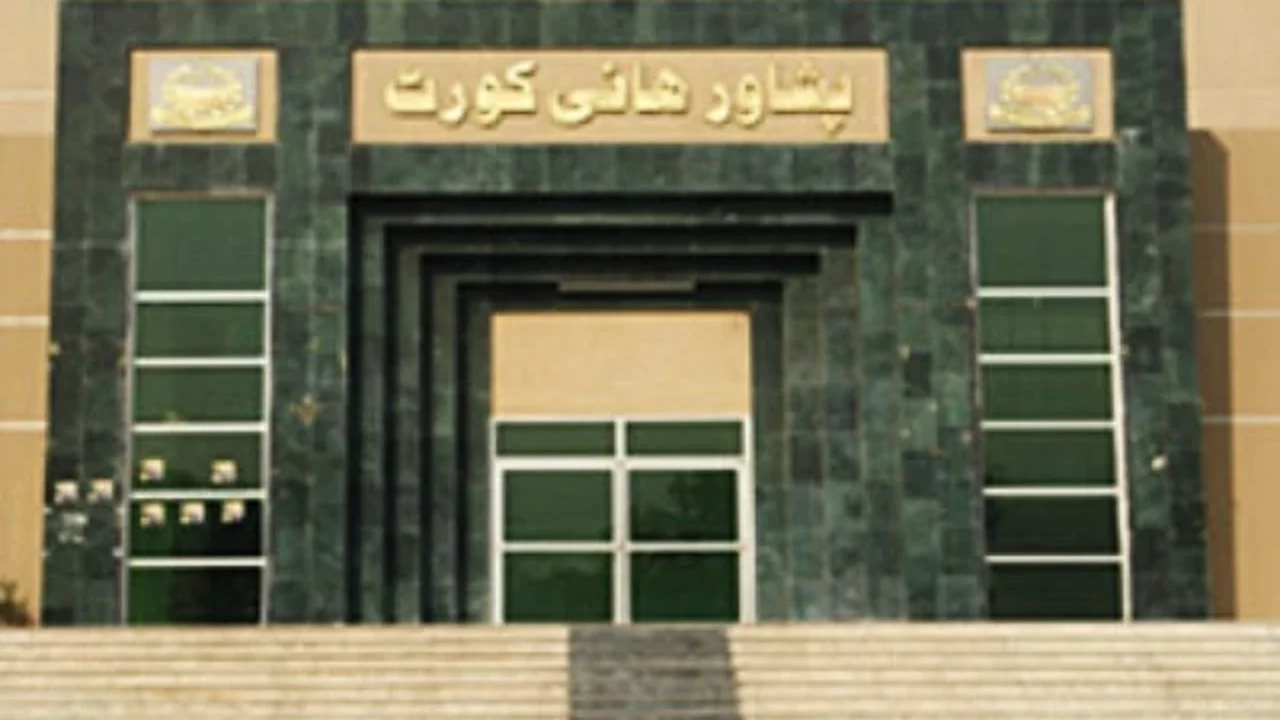
The Peshawar High Court has removed all petitions challenging the emergency and governor’s rule in Khyber Pakhtunkhwa from its cause list, closing the door — at least for now — on court challenges to the extraordinary measures at the provincial level.
The court took the step on Saturday, a day after the Federal Constitutional Court stripped it of the power to hear cases about Khyber Pakhtunkhwa filed after October 12. The petitions removed from the list included pleas seeking the recovery of Chief Minister Sohail Afridi, Assembly Speaker Babar Saleem Swati and PTI provincial president Junaid Akbar, none of whom have been seen in public since the emergency was imposed on October 11.
Why PHC Removed Petitions
The Peshawar High Court acted on a formal notification from its own Administrative Committee. The notification said no writ petition filed on or after October 12 would be fixed for hearing. Petitions filed under Article 199 of the Constitution would be returned to the people who filed them, and the petitioners were told to seek relief from the right forum.
The order followed two directions from the Federal Constitutional Court. On November 5, the constitutional court barred the high court from hearing cases about arrests under the Maintenance of Public Order Ordinance. A day later, it went further and took away the high court’s jurisdiction over all Khyber Pakhtunkhwa cases filed after October 12, including cases about the emergency and governor’s rule.
The sequence began when the high court granted bail to 23 workers of the Pakistan Tehreek-e-Insaf who had been arrested under Section 3 of the MPO Ordinance. The court had also asked the governor and the speaker to respond to the challenge against governor’s rule. The constitutional court’s orders then stopped that process in its tracks.
In simple words, the high court can no longer hear these cases because a higher court has said the power now lies elsewhere. The petitions have not been decided on their merits — they have simply been taken off the high court’s list.
| Date | Development |
|---|---|
| Oct 11, 2026 | Emergency under Article 232 and governor’s rule under Article 234 imposed in Khyber Pakhtunkhwa |
| Nov 5, 2026 | Federal Constitutional Court bars PHC from hearing MPO arrest cases |
| Nov 6, 2026 | Federal Constitutional Court strips PHC of jurisdiction over post-Oct 12 KP cases |
| Nov 7, 2026 | PHC removes all related petitions from its cause list |
| Nov 10, 2026 | PHC cause list issued without these petitions |
Who Filed Petitions
Several high-profile petitions were pending before the high court. They had been filed by PTI Chairman Barrister Gohar Ali Khan, National Assembly Opposition Leader Mahmood Khan Achakzai, the Khyber Pakhtunkhwa Bar Council, National Democratic Movement Chairman Mohsin Dawar and Member of the National Assembly Shandana Gulzar.
The petitions removed from the cause list also included pleas seeking the recovery of three senior PTI figures: Chief Minister Sohail Afridi, Speaker Babar Saleem Swati and provincial president Junaid Akbar. Afridi has not been seen since the emergency was imposed on October 11. A federal minister later confirmed that he and some cabinet members were in preventive custody, and his brother has alleged he was taken from the Chief Minister’s House on the night the emergency was imposed.
The high court has also issued its cause list for November 10. Under the new notification, none of the affected petitions will come up for hearing there.
Background: KP Emergency Since October 11
To understand why this matters, it helps to look back one month. On October 11, President Asif Ali Zardari approved Prime Minister Shehbaz Sharif’s advice to impose an emergency in Khyber Pakhtunkhwa under Article 232 of the Constitution, and governor’s rule under Article 234.
The federal government said the step was needed because the security situation had worsened, terrorist attacks had increased, and the provincial administration was not cooperating fully in counter-terrorism efforts. Executive powers were handed to Governor Faisal Karim Kundi, assisted by an advisory council, and emergency measures were imposed in 12 districts. Chief Minister Afridi and his cabinet were removed from office.
The PTI rejected the move and opposed it. The decision came after weeks of tension between the Centre and the PTI-led provincial government over counter-terrorism policy, and after the party’s planned long march to Islamabad.
That is why Saturday’s development is important. The emergency itself was already in force. What has changed now is the legal route to challenge it: the provincial high court — the first forum where such challenges are normally heard — can no longer take them up.
What Happens Next
The petitioners must now take their cases to the forum designated by the Federal Constitutional Court. The constitutional court’s two-member bench — Chief Justice Aminuddin Khan and Justice Aamer Farooq — issued the orders that led to Saturday’s step.
For now, there is no hearing date for these petitions at the high court, and the emergency and governor’s rule continue in the province. The next test will be whether the petitioners approach the constitutional court directly, and how quickly that court takes up the challenge.
It removed all petitions challenging the emergency and governor’s rule in Khyber Pakhtunkhwa from its cause list, including petitions about arrests under the MPO Ordinance and pleas seeking the recovery of Sohail Afridi, Babar Saleem Swati and Junaid Akbar.
The Federal Constitutional Court stripped the Peshawar High Court of jurisdiction over Khyber Pakhtunkhwa cases filed after October 12, 2026. The high court’s Administrative Committee then issued a notification saying such petitions would not be fixed for hearing.
He has not been seen in public since the emergency was imposed on October 11. A federal minister confirmed he and some cabinet members are in preventive custody. His brother alleges he was taken from the Chief Minister’s House that night.