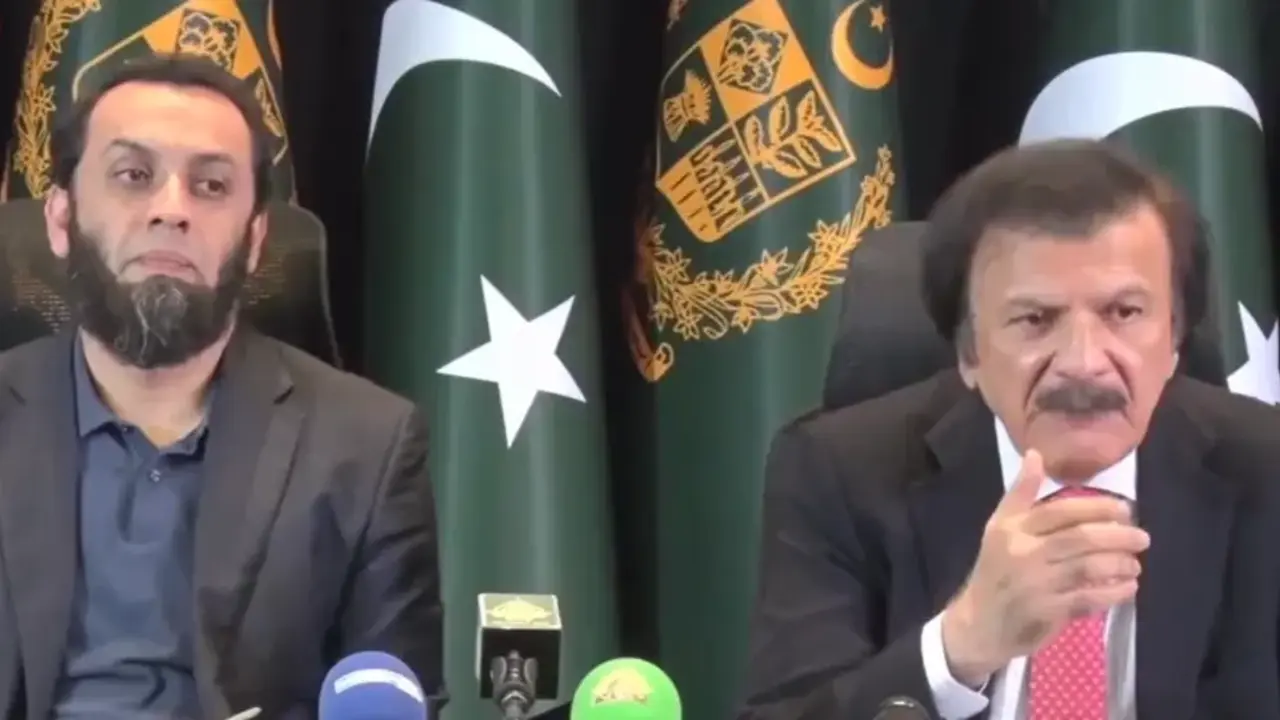
Pakistan has announced a new five-year auto policy that promises cheaper cars, big tax cuts for electric vehicles and safer vehicles on the road. Information Minister Attaullah Tarar and the prime minister’s adviser for industries and production, Haroon Akhtar Khan, shared the plan at a press conference in Islamabad on Saturday.
The policy, called the Automotive and Auto Parts Policy 2026-31, rests on six main points: cheaper vehicles, more exports, more local manufacturing, safer cars, electric vehicles and clear, open rules. The government says the process of cabinet approval started on Saturday. Parts of the plan still need approval from the International Monetary Fund (IMF).
Cheaper Cars for Middle-Class Buyers
The biggest promise is lower prices. Akhtar said car prices will fall step by step. Duties on fully built imported cars, assembly plants and parts will drop a little each year. After five years, tariffs will reach competitive levels.
“You will see that prices of cars will come down,” Akhtar said. He added that the cost of making cars will also fall. The price cut covers all vehicles except luxury cars.
Early estimates from the draft stage show what this could mean. A Suzuki Alto, now priced near Rs3.2 million, could fall to about Rs2.85 million in the first year. A Suzuki Cultus could drop from Rs4.3 million to Rs3.8 million. A Toyota Yaris could come down from Rs6 million to Rs5.3 million. These are draft-stage figures, and final prices will depend on the approved policy.
Small petrol cars stay untouched. Tarar said no changes were made for ordinary petrol vehicles below 1,000cc, because many common citizens use them.
Electric Vehicles Get Big Tax Breaks
Electric vehicles get the largest relief. The government plans sales tax of only 1% on fully electric cars, 6% on range-extended electric vehicles and 9% on plug-in hybrids. These rates still need IMF approval.
Buyers of electric cars priced up to $50,000 will pay no capital value tax, no withholding tax and no federal excise duty. Cars above that price will count as luxury items and face normal taxes.
Loans get easier too. The State Bank’s car financing limit will rise from Rs3 million to Rs10 million for electric vehicles, and the repayment period will stretch from three years to five years.
Charging stations will also get support. The government will fund the gap that stops businesses from building chargers, while sales tax on charging equipment falls to 1% and customs duty is removed.
The goal is to make 30% of all new vehicles in Pakistan electric by 2030. Akhtar said this target may be reached even sooner.
Local Factories, Exports and Safer Cars
The policy pushes car makers to build more parts in Pakistan. Localisation targets will be set for manufacturers, and a system of rewards and penalties will back them up.
Exporters that meet their targets will get a 5% drawback on local taxes and levies, plus another 10% as exports grow. But companies that miss their export or local manufacturing targets will face penalties and lose the rebate.
Safety gets a major upgrade. The policy adds 45 new safety standards in line with the United Nations’ WP.29 code. Akhtar said cars built and used in Pakistan will then meet world safety levels.
The draft also sets a $6 billion export target for vehicles and parts over five years, with annual targets rising from about $257 million in 2026-27 to $2.19 billion in 2030-31.
Why New Auto Policy Matters
For decades, Pakistan protected its car industry with high import duties. Tarar said this did not work. Local makers did not innovate or add value. Cars stayed expensive, and buyers had few choices.
Cheaper cars help middle-class families who have waited years to buy one. Electric vehicles cut petrol use, which lowers the oil import bill and eases pressure on fuel prices. More local manufacturing means more jobs, and exports bring foreign money into the country.
Electric two-wheelers already show the shift. After the New Energy Vehicle Policy 2025-30 launched last year, sales of electric bikes and scooters rose to 240,000 in 2025-26, up from 60,000 the year before.
What happens next: the cabinet must approve the policy, the IMF must clear the tax changes, and parliament will pass a bill to put the new rates into law. To keep revenue neutral under the IMF programme, the government will collect revenue from petrol and diesel vehicles above 1,000cc, while cars below 1,000cc stay exempt.
| Item | New policy figure |
|---|---|
| Sales tax, fully electric cars | 1% |
| Sales tax, range-extended EVs | 6% |
| Sales tax, plug-in hybrids | 9% |
| EV financing limit | Rs10 million (was Rs3 million) |
| EV loan period | 5 years (was 3 years) |
| Electric share target by 2030 | 30% of new vehicles |
| New safety standards | 45 (UN WP.29) |
| Export target over 5 years | $6 billion |
| Electric two-wheelers sold FY25-26 | 240,000 (was 60,000) |
Prices will come down gradually. Duties on imported cars, assembly plants and parts will drop each year, reaching competitive levels after five years. Luxury cars are not covered by the price cuts.
The policy proposes 1% on fully electric cars, 6% on range-extended electric vehicles and 9% on plug-in hybrids. These rates still need approval from the IMF.
Car financing for electric vehicles will rise to Rs10 million, up from Rs3 million, with repayment over five years instead of three.