Iran is reviewing proposals put forward by Qatar aimed at bridging differences with the United States over Tehran’s nuclear programme, opening a possible path toward indirect talks after more than eight months of war.
Bridge deal outlines two-day steps
Mediators in Doha have floated a bridge deal built around trust-building measures spread over two days. On the first day, Washington would lift its blockade on Iranian ports and release part of Iran’s frozen funds. Tehran would in return allow inspectors from the International Atomic Energy Agency into sites struck by the United States and Israel. On the second day, Iran would reopen the Strait of Hormuz under a modified arrangement already agreed with Oman, a temporary mechanism until Gulf states settle a permanent framework for the waterway. Once those steps are complete, both sides would move into extensive negotiations covering Iran’s stockpile of highly enriched uranium and other parts of its programme.
| Step | Measure |
|---|---|
| Day 1 | US lifts port blockade; releases part of frozen funds; Iran admits IAEA inspectors to bombed sites |
| Day 2 | Iran reopens Strait of Hormuz under modified Iran-Oman arrangement |
| Afterwards | Extensive talks on uranium stockpile and wider programme |
Tehran sets conditions before nuclear talks
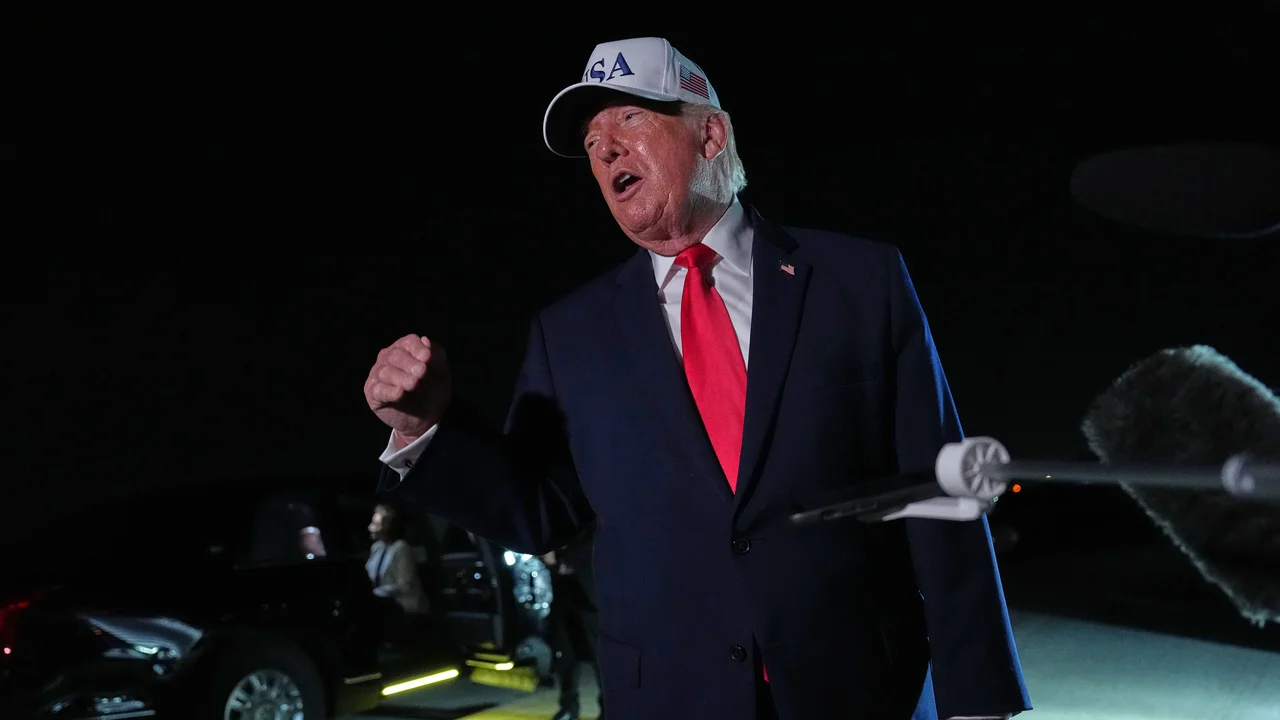
Iran has made clear it will not sit down to discuss its atomic activities until Washington meets several core demands. Those demands include an end to the blockade on Iranian ports, lifting of sanctions, unfreezing of assets, compensation for war damage, and an end to hostilities across the region, including Israeli operations in Lebanon. The White House declined to comment on the Qatar-presented proposals. President Donald Trump said on Friday that discussions with Iran continue. “We are talking to Iran. We have been,” he told reporters, while insisting the US military remains in control of the conflict.
Uranium stockpile at centre of dispute
At the heart of the dispute sits Iran’s stockpile of uranium enriched to 60 per cent purity. The International Atomic Energy Agency puts that stockpile at 440.9 kilograms, a short technical step from the 90 per cent level considered weapons-grade. Iran has long maintained that its nuclear programme is peaceful. Any final settlement would have to resolve the future of that material, alongside sanctions relief and guarantees on implementation.
Diplomacy picks up after US midterms
The diplomatic push has gathered pace in the days since Tuesday’s midterm elections in the United States, in which Trump’s Republican Party suffered heavy losses. Voter frustration with the war and with fuel prices driven higher by the conflict played a part in that result. A flurry of calls has followed: Defence Secretary Pete Hegseth spoke on Friday with his Qatari counterpart Sheikh Saoud bin Abdulrahman Al Thani, and Trump held a separate call with Qatar’s emir on efforts to ease tensions. Iranian Foreign Minister Abbas Araghchi has spoken with his counterparts in Iraq and Tunisia, while Egypt’s Foreign Minister Badr Abdelatty, after two calls with Araghchi this week, said both sides must show flexibility to reach compromise solutions and avoid a fresh wave of escalation. Qatar’s Prime Minister Sheikh Mohammed bin Abdulrahman Al-Thani said mediation continues and significant progress has been made. “We cannot wait to reach a perfect agreement; we hope to reach a good agreement,” he said. Initial reports on Saturday also spoke of two missiles striking Qeshm Island, with no official confirmation of damage. The United States has not announced any attack on targets inside Iran.
Frequently asked questions
What does Qatar bridge deal propose?
Two days of trust-building steps: Washington lifts its port blockade and releases part of Iran’s frozen funds while Tehran admits IAEA inspectors to bombed sites, then Iran reopens the Strait of Hormuz, followed by full talks on the nuclear programme.
What conditions has Iran set before nuclear talks?
An end to the blockade on its ports, lifting of sanctions, unfreezing of assets, compensation for war damage, and an end to hostilities across the region, including Israeli operations in Lebanon.
How much enriched uranium does Iran hold?
440.9 kilograms enriched to 60 per cent purity, according to the International Atomic Energy Agency, a short technical step from the 90 per cent level considered weapons-grade.
When could Strait of Hormuz reopen?
On the second day of the proposed bridge deal, under a temporary arrangement already agreed with Oman, until Gulf states settle a permanent framework for the waterway.