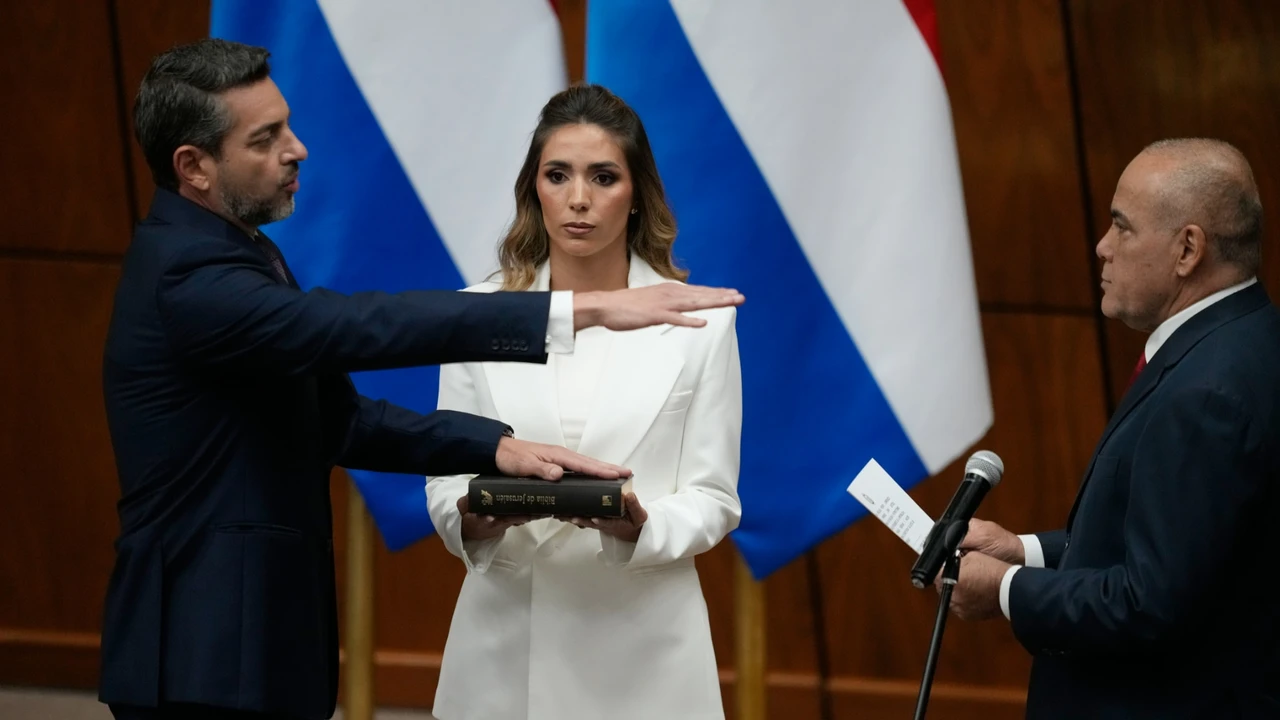
Paraguay entered a new political chapter on Friday, 6 November 2026, after its Senate voted unanimously to remove President Santiago Peña from office. Hours later, Vice President Pedro Alliana took the oath as Paraguay’s new president, while prosecutors placed Peña under house arrest in a widening investigation linked to the collapse of Ueno Bank.
Senate Vote Removes Peña
All 44 senators present voted to remove Peña on Friday, after the Chamber of Deputies had voted 78-0 a day earlier to send the case to trial. Peña had offered to resign on Thursday, but Congress declined to accept that resignation and the Senate pressed ahead with impeachment instead.
Lawmakers charged Peña with misconduct in office. They cited his stake in the holding company behind Ueno Bank, his appointment of a former Ueno executive to lead the central bank, and the state pension fund’s deposit of $355 million in the bank. The charges also covered conflicts of interest, manipulated regulatory oversight, diverted pension funds and an institutional cover-up involving the central bank. Peña is the second Paraguayan president removed by impeachment since the end of General Alfredo Stroessner’s 35-year dictatorship in 1989. Removal also bars him from a lifetime Senate seat for former presidents, denying him parliamentary immunity.
Alliana Takes Oath
Alliana, 52, was sworn in on Friday to serve out a term ending on 15 August 2028. A former governor of Ñeembucú and former speaker of the lower house, he is a veteran of the ruling Colorado Party. Antonio Barrios took over as vice president. Alliana is also under investigation over Ueno, and on Thursday lawmakers shelved an opposition bid to impeach him.
In a farewell message, Peña said: “I do not want my presence to be a cause of greater division or instability. I say goodbye with gratitude, without ignoring the anguish of those who are waiting for answers today.”
Peña, a former International Monetary Fund economist and former finance minister, rose to power with the backing of former president Horacio Cartes. Cartes publicly called for his ouster after the Senate demanded answers in September about Ueno lending.
Ueno Bank Collapse Timeline
Regulators seized Ueno Bank on Tuesday, 3 November, after it fell below legal solvency standards. The bank had become Paraguay’s fifth-largest bank by deposits. More than two-thirds of the country’s adults held accounts there, and over one million Paraguayans had opened their first bank account with Ueno.
| Senate vote | 44-0 |
| Date | 6 November 2026 |
| New president | Pedro Alliana |
| Term ends | August 2028 |
| Customers affected | nearly 3 million |
| Public money | over $800 million |
| Pension deposit | $355 million |
| People charged | 27 |
Frozen Savings Spark Protests
The seizure cut nearly 3 million customers off from their savings and bank cards. The bank held over $800 million in public money, including a pension fund deposit of $355 million beyond legal limits. Deposits are insured up to about US$37,000, which the central bank says covers nearly all customers. Some depositors have begun recovering money, starting with holdings up to 10 million guaraníes.
Protesters marched in downtown Asunción chanting “Santi Peña to Tacumbú!” — a reference to the capital’s main prison — as the political crisis deepened.
Charges Against Peña
Prosecutors placed Peña under house arrest on suspicion of breach of trust, influence peddling and using public office for personal gain. He must appear before prosecutors on Saturday morning, 7 November. The most serious charges carry up to 10 years in prison. Peña denies wrongdoing.
An arrest warrant was also issued for Carlos Carvallo, the former central bank chief appointed by Peña. In total, 27 people have been charged, including controlling shareholder Miguel Vázquez, accused of breach of trust and attempted fraud. Six bank directors are in pretrial detention, and nine luxury cars, a yacht and small planes were seized from Vázquez.
Frequently Asked Questions
Why was Peña removed?
Paraguay’s Senate voted 44-0 to remove Peña for misconduct in office over the Ueno Bank collapse, citing his stake in the bank’s holding company, his appointment of a former Ueno executive to run the central bank, and a $355 million pension fund deposit in the bank.
Who is Pedro Alliana?
Pedro Alliana, 52, was vice president under Peña and was sworn in as president on Friday, 6 November 2026, to serve until August 2028. He is a former governor of Ñeembucú, a former lower-house speaker and a Colorado Party veteran.
What happened to Ueno Bank customers?
Regulators seized Ueno Bank on 3 November after it fell below legal solvency standards, cutting nearly 3 million customers off from their savings and bank cards. Deposits are insured up to about US$37,000, and some depositors have begun recovering money, starting with holdings up to 10 million guaraníes.
What charges does Peña face?
Prosecutors placed Peña under house arrest on suspicion of breach of trust, influence peddling and using public office for personal gain. The most serious charges carry up to 10 years in prison. Peña denies wrongdoing, and an arrest warrant was also issued for former central bank chief Carlos Carvallo.