US Air Force suspends SpaceX rocket project on Pacific atoll, report says

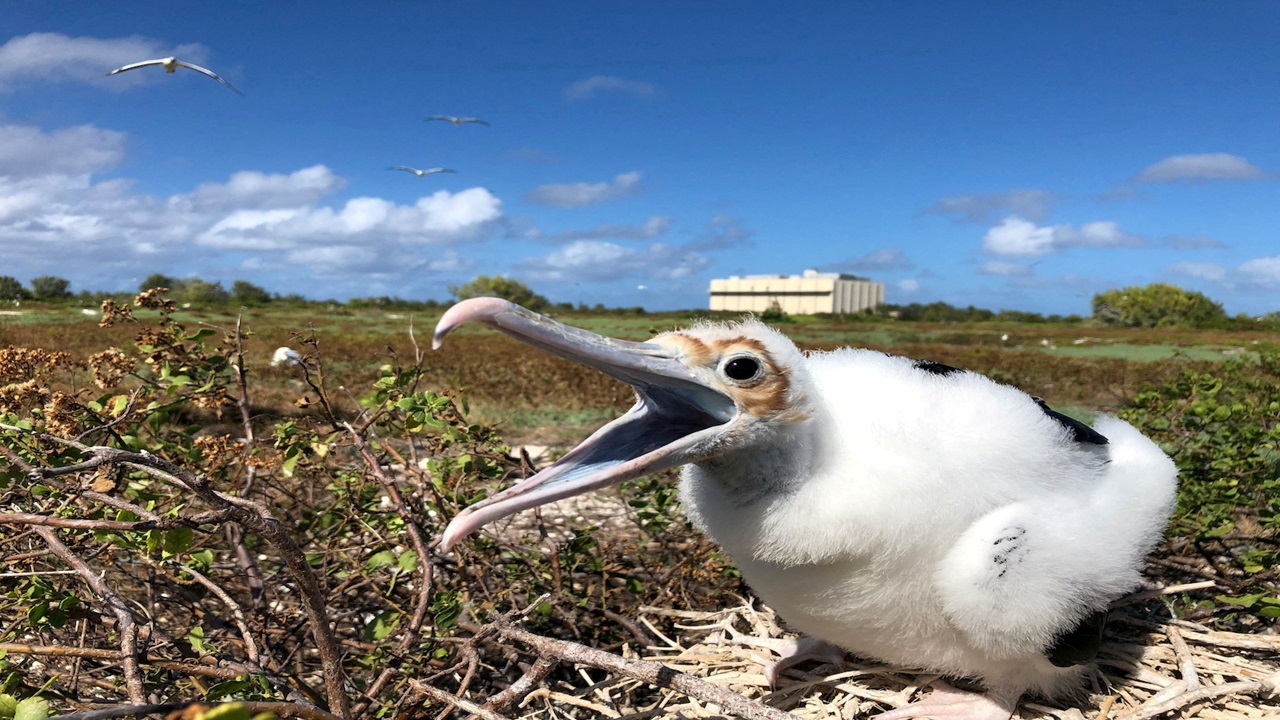
The United States Air Force has suspended a proposed rocket testing project linked to SpaceX on a remote Pacific atoll, according to reports familiar with the matter. The move follows growing concerns over potential environmental damage to one of the region’s most sensitive wildlife habitats.
The project was part of the Air Force’s experimental Rocket Cargo program, an initiative designed to explore whether commercial rockets could be used to deliver military equipment and supplies across the globe within hours instead of days. The concept aimed to revolutionize military logistics by using reusable rockets capable of transporting heavy cargo to remote locations.
Environmental Concerns Trigger Pause
The planned test site was Johnston Atoll, an uninhabited U.S. territory located southwest of Hawaii. Although once used for military operations, the atoll has since become a protected wildlife refuge and an important nesting ground for thousands of seabirds.
Environmental experts warned that rocket landings, construction of landing pads, and repeated testing could severely disrupt bird populations and fragile ecosystems. Noise, heat, and infrastructure development were cited as major risks to nesting patterns and long-term habitat stability.
In response to these concerns, the Air Force decided to halt progress on the project at this location and delay the environmental review process.
Air Force Exploring Alternative Locations
A spokesperson confirmed that the Air Force is now evaluating other possible sites for future testing and has not ruled out continuing the Rocket Cargo program elsewhere. Officials emphasized that the suspension does not mean the program has been canceled entirely, but rather that Johnston Atoll is no longer being actively considered.
No formal agreement with SpaceX was publicly announced, but the company was widely viewed as the most likely partner due to its experience with reusable rocket technology and heavy-lift launch systems.
Balancing Innovation and Conservation
The suspension highlights a growing challenge for modern military projects: balancing rapid technological advancement with environmental responsibility. While rocket-based cargo delivery could provide major strategic advantages and faster humanitarian response capabilities, protected ecosystems are increasingly off-limits to experimental development.
The Air Force stated it remains committed to innovation while complying with environmental laws and conservation standards. Any future testing locations will undergo closer scrutiny to avoid similar conflicts.
What Comes Next
For now, the Rocket Cargo program remains on hold at Johnston Atoll as officials reassess their approach. The decision is being viewed by conservation groups as a positive step toward preserving sensitive wildlife areas, while defense analysts say the search for alternative sites is likely to continue.
The outcome could shape how future military-commercial space projects are planned — especially in environmentally protected regions.