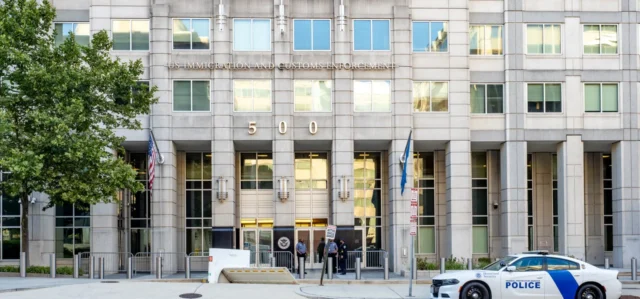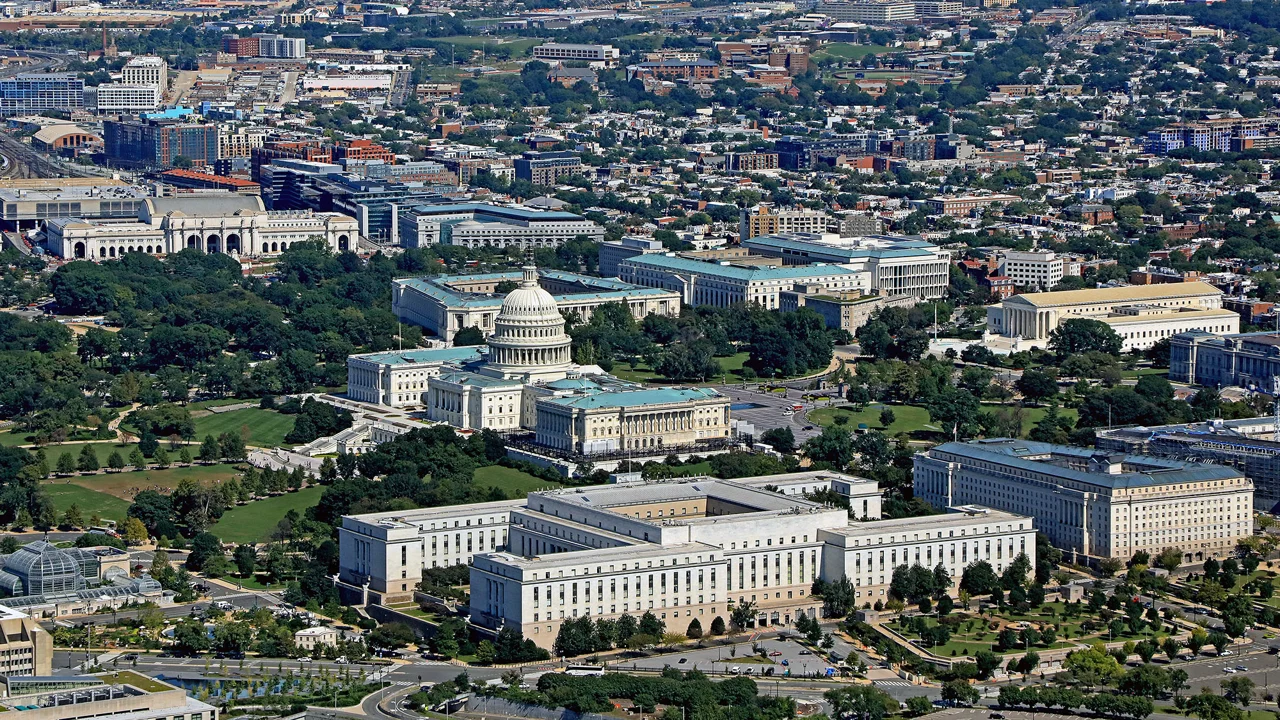
More than 150 House Democrats have demanded that the Trump administration withdraw a proposed Census Bureau rule that would exclude some non-citizens from the population count used to allocate seats in the US House of Representatives.
Five Indian-American lawmakers — Pramila Jayapal, Ro Khanna, Raja Krishnamoorthi, Suhas Subramanyam and Shri Thanedar — signed the public comment letter opposing the proposal, according to the Congressional Asian Pacific American Caucus.
Why it matters is straightforward: the census count decides how the House’s 435 seats are divided among the 50 states, so any change to who is counted can shift political representation and the federal resources that follow population figures.
Representative Robert Garcia, the top Democrat on the House Oversight and Government Reform Committee, led the effort, joined by the chairs of the Asian Pacific American, Hispanic, Black and Equality caucuses, according to reports of the letter.
“We will fight this rule in Congress and the courts,” Garcia said, in the letter’s clearest warning that the dispute will not end with the public comment period.
Lawmakers opposing the rule argued that it would violate the 14th Amendment’s requirement that representation reflect the number of people in each state, not only the number of citizens.
Grace Meng, who chairs the Asian Pacific American caucus, said the changes could cost minority communities representation and resources and weaken the data needed to identify disparities, according to reports of the letter.
Under the Census Bureau’s proposal, lawful permanent residents, commonly known as green-card holders, would remain included in the population used for congressional apportionment.
Undocumented immigrants and non-citizens with legal status less permanent than a green card, including temporary visa holders, would be excluded from that count, according to the reports.
The proposal would also bar questions about race, ethnicity and sexual orientation on census questionnaires used to enumerate the population, the reports said.
Supporters of the proposal take a different view. Republican Representative Mary Miller of Illinois announced a letter on Friday supporting the plan and urging the administration to go further by excluding all non-citizens, including green-card holders, from congressional apportionment.
The Census Bureau has justified the approach on the grounds that lasting residence and allegiance to the United States should determine who is included for apportionment, according to reports of the proposal.
Separately, the National Conference of State Legislatures, in comments published on Friday, sought a further 60 days for public responses and consultation with states over the changes.
That body warned that administrative records and survey estimates may not provide the detailed census-block data needed for redistricting, according to the reports.
Context for the fight is the calendar. The Census Bureau published the proposal on September 10, and an October 5 notice extended the public comment deadline from October 13 to November 2.
November 2 falls one day before the midterm elections on November 3, when all 435 House seats are up for election, which helps explain why a technical census rule has become a campaign-season argument.
The United States conducts a census every 10 years, and its population figures are used to divide the House seats among the states, so the rule now under debate would apply to a future count rather than to the seats being contested next week.
What is confirmed is the scale of the opposition in the House, the terms of the proposal as reported, and the November 2 comment deadline. What is not confirmed is whether the administration will withdraw, amend or press ahead with the rule after the comment period closes, and any court challenge would follow only if the rule moves forward.