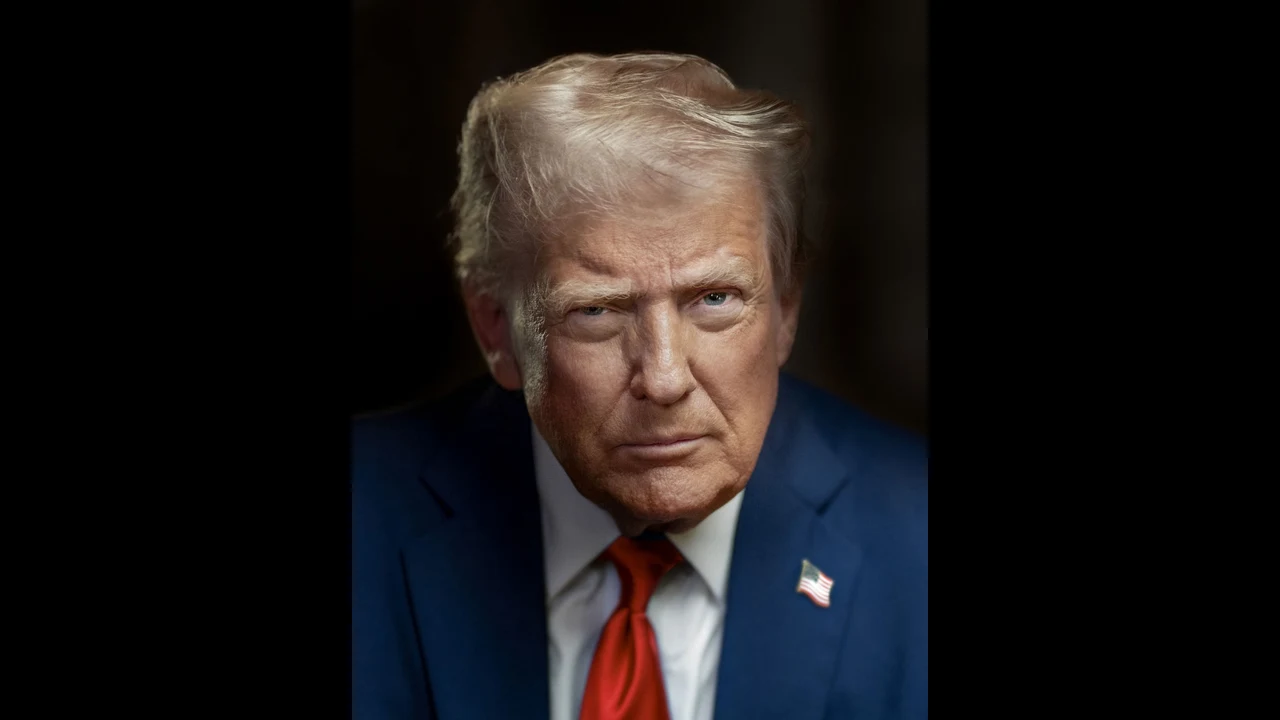
Donald Trump has said he would become “Mr. Veto” if Democrats win control of Congress in Tuesday’s midterm elections, vetoing their legislation for a month or two before sitting down to negotiate a deal.
Speaking to the New York Post’s Miranda Devine for her Pod Force One podcast, Trump set out how he would respond if Democrats secured majorities in the House of Representatives and the Senate. Excerpts from the interview were aired on Fox News on Sunday, November 1, with the full episode scheduled for release on Monday, November 2.
“If that happens, I believe I’ll be Mr. Veto. I’ll stop them from establishing themselves, and then we’ll probably make a deal,” Trump said, according to the Times of India report of the interview.
His remarks matter because they are a rare public acknowledgment from Trump that his party may lose the midterms, even as he campaigns to stop exactly that outcome. A Democratic Congress could pass legislation he opposes, but only a two-thirds majority in both chambers could override his veto, a threshold Democrats are unlikely to reach on narrow majorities.
Vetoes first, then a deal
Trump described a standoff that would end, in his account, with Democrats coming to the negotiating table. “They’ll be sending stuff up. You veto it,” he said in the preview clip aired on Fox News’ Sunday Morning Futures, according to Bloomberg. “Eventually, after a month or two of getting all vetoed, you know, it’s just waste, they come over and make a deal.”
“They’ll send bills, I’ll veto them, and at some point, a month or two later, they’ll become garbage. Then you bring them together and make a deal,” he added in another passage reported by the Times of India.
“I’m not going to let them ruin it,” Trump said, while adding that a Democratic majority would not necessarily prevent his administration from reaching agreements with lawmakers. “And then at some point, we’ll probably make deals. That’s what’s happened. I mean, this wouldn’t be the first time.”
“Hopefully we don’t have to worry about that,” he said in the clip, making clear that his preferred outcome remains a Republican Congress.
Trump has used his veto authority sparingly so far. He has issued two vetoes during his second term, compared with 10 during his first term, according to the New York Post. One veto in his first term was overridden by Congress.
In another clip from the same interview, Trump said he would “love to run again if I had the chance, but the language is very exacting,” referring to the Constitution. The 22nd Amendment forbids a president from being elected to more than two terms.
What a Democratic Congress could still do
Democrats need a net gain of four seats in the House of Representatives as well as in the Senate to overturn Republicans’ narrow 218-214 and 53-47 majorities, Reuters reported. Opinion polls favour Democrats to win the House, while the Senate remains too close to call.
Most polls show Democrats well positioned to pick up the seats they need for House control, Bloomberg reported, and they are growing more confident about the Senate, with seven races polling within a narrow margin. Republican strategists say their private data paints a more competitive Senate picture, with many of the key races still toss-ups or within reach.
Capturing Congress would give Democrats the power to investigate Trump, block legislation and constrain his spending priorities, Reuters reported. Control of the Senate would also allow Democrats to block his judicial and executive-branch nominees, including any Supreme Court pick.
At the same time, Trump would retain broad executive authority over trade, foreign policy and the federal bureaucracy. His aides have separately spent months preparing executive actions on immigration, tariffs, housing costs and federal spending that he could pursue without congressional approval if Democrats win, a contingency plan Reuters detailed on November 1.
The White House pushed back on the prospect of Republican losses and accused the media of promoting a false narrative. “This administration and commonsense Republicans will continue to secure our borders, restore law and order, putting more money back into the pockets of hard-working Americans, and deliver wins for the American people,” White House spokeswoman Lauren Bis said.
Trump has spent the final days of the campaign holding rallies in states his party has traditionally won comfortably, including Iowa and Kansas on Sunday, November 1, after a weekend in which those rallies were briefly cancelled and then restored. Bloomberg noted that he has been campaigning amid voter anxiety over the high cost of living and the war in Iran, and an NBC News poll released on Sunday showed 60 percent of Americans disapprove of his performance.
In his speeches, Trump has stuck with his claim that the country has the “greatest economy in history” and that polls do not show Republican votes correctly, Bloomberg reported.
Voters will decide the shape of Congress on Tuesday, November 3, when all 435 House seats and more than a third of the Senate are on the ballot. Whether Trump ever needs his “Mr. Veto” strategy will depend on that result, but his interview leaves little doubt about his opening move if Democrats win: veto first, negotiate later.