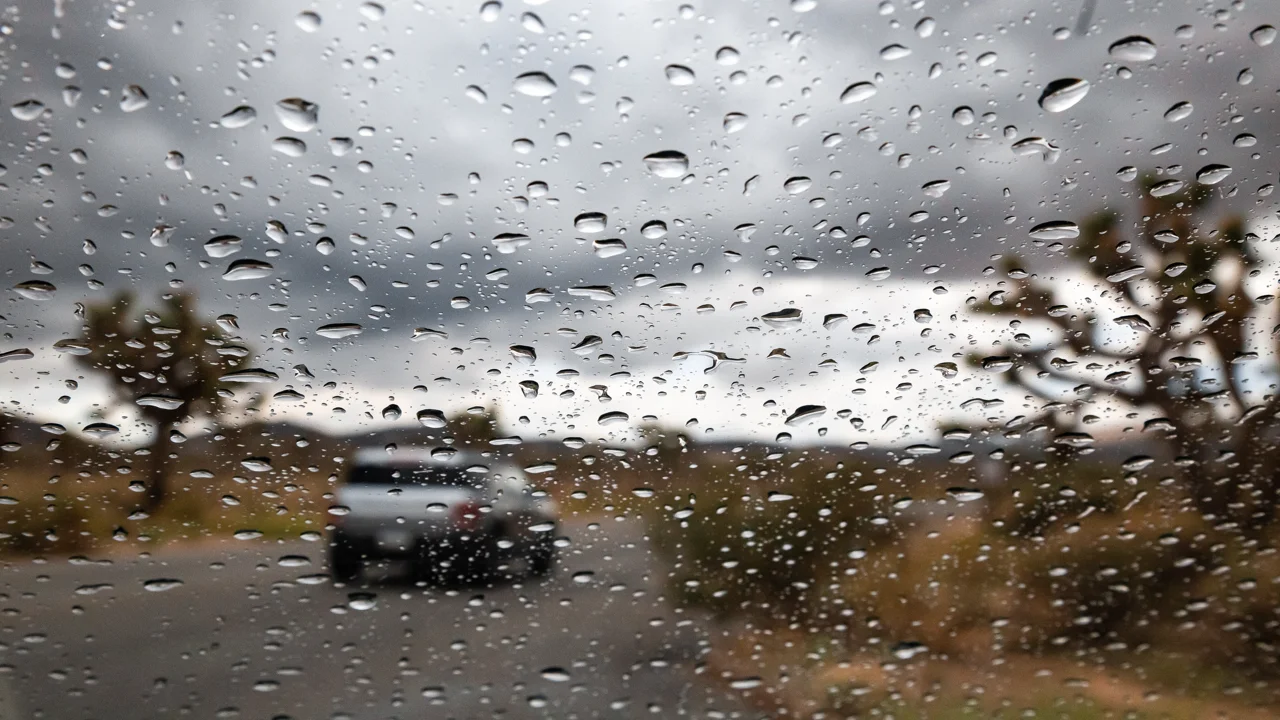
Rain, wind and floodwater are set to follow American voters to the polls on Tuesday, as a powerful cross-country storm moves out of the Southwest and soaks the central United States on Election Day itself.
Tuesday’s weather matters because several close midterm races sit directly in the storm’s path, and wet, blustery conditions could slow final-day in-person voting in Iowa, Kansas, Michigan and Texas.
CNN reported that the storm, still just off the West Coast on Saturday, will cross into the United States on Saturday night, dragging in abundant Pacific moisture. That sets up a serious Southwest flooding threat this weekend before the system reaches the central states by Tuesday.
Heavy rain is expected across the Four Corners states of Arizona, New Mexico, Utah and Colorado from Sunday into Monday, with serious flash flooding possible, according to CNN. By Tuesday, soggy weather is likely from the Great Plains and Upper Midwest to the Lower Mississippi Valley and western Gulf Coast.
Forecasters say the threat of flooding rain on Tuesday itself is currently low, but voters travelling to polling places could still face water ponding on roads. Thunderstorms are expected on the storm’s southern side, and a few could turn severe from eastern Texas into Arkansas, Louisiana, Mississippi and Tennessee.
Blustery conditions are also likely across much of the affected region, especially in the Plains. CNN reported that Kansas could see wind gusts of 30 to 40 miles per hour, with gusts up to 50 miles per hour in Nebraska.
The Southwest feels the storm first, and hardest. Fox Weather reported that Friday downpours already triggered flash flooding in Las Vegas and swiftwater rescues in Phoenix, where six people were rescued unhurt, and floodwaters overtopped part of the Lake Mead Highway in Henderson, Nevada.
A Level 3 out of 4 flash flood risk covers more than 65,000 square miles on Sunday, including nearly all of central and northern Arizona and more than 4 million people, according to Fox Weather. Up to 5 inches of rain could fall from Phoenix to Flagstaff through Monday, and Flagstaff has already recorded 5.69 inches of rain in October.
The National Weather Service office in Pueblo, Colorado, urged people in the region to finish flood and snow preparations by Saturday evening. “Folks, the window for flood preparations is closing,” the office warned on Saturday, in a message reported by Fox Weather.
In the higher elevations, cold air trapped by the storm will turn rain to snow from the Sierra to the Rockies. Colorado’s San Juan Mountains could receive 12 to 18 inches of snow, with dangerous and slick road conditions, especially on Sunday night into Monday morning.
NOAA’s Weather Prediction Center described the system as a “high-impact heavy rainfall event”. Flash flooding last week killed two people in New Mexico, Fox Weather reported.
Later on Monday, the storm moves into the Plains and Midwest. Nearly 40 million Americans face a Level 1 out of 4 flash flood threat from Texas to Wisconsin, and a Level 2 out of 5 severe-storm risk covers Kansas, Oklahoma and northern Texas.
State-by-state, CNN’s forecast puts rain as likely in Iowa, with the heaviest totals over the eastern part of the state from Monday evening into Tuesday midday and highs in the 60s. Central and eastern Kansas are most likely to see rainfall along with elevated winds, with highs in the 50s and 60s.
Michigan should see rain for at least part of Tuesday, and eastern Texas faces rain with a few severe storms possible. Georgia, North Carolina and Ohio, by contrast, are likely or mostly dry.
Weather could factor into turnout for voters not among the more than 49 million who have already cast ballots through early voting. Multiple studies have found rainfall tends to suppress turnout, while sunshine has the opposite effect, CNN reported.
What is confirmed is the storm’s track, the Southwest flood threat, and the soggy Election Day outlook. What is not yet settled is exactly where the heaviest rain and severe storms will land.