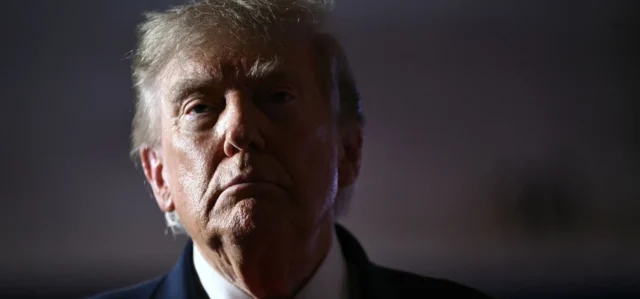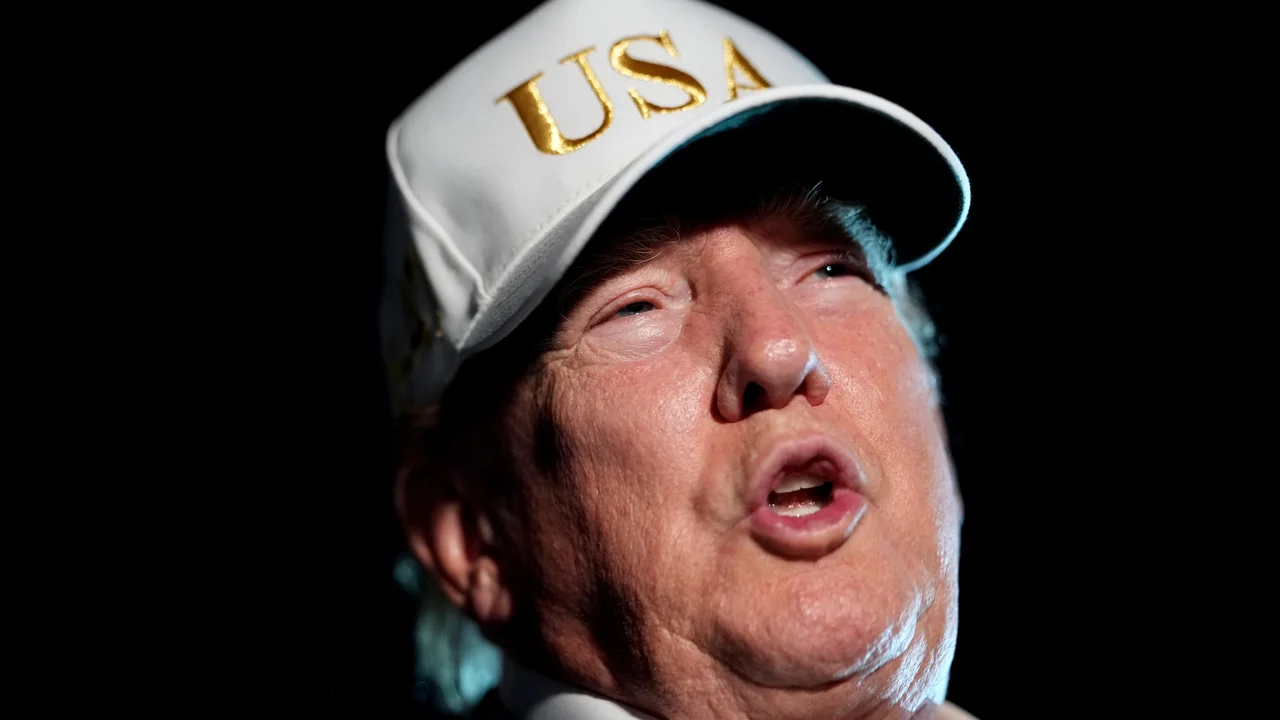
Donald Trump has said his mass deportation policy may have gone too far, in his first long interview since Republicans lost control of Congress last week. Speaking to CBS News programme 60 Minutes, which aired on Sunday, the US president said the crackdown was “too tough” in some cases and signalled he could work with Democrats on an immigration deal.
Midterm losses forced rethink
The interview came five days after voters delivered a heavy defeat to Republicans in the midterm elections on 3 November. The party lost control of both the House and the Senate, and also lost state-wide races in states it had held for years.
Midterm elections take place half-way through a president’s term, and they are often read as a verdict on the government in power. This time the verdict was clear, and Trump spent much of the interview explaining what he thinks went wrong.
He named three reasons: the war with Iran, petrol prices going up, and what he called a growing dislike of Israel. He took no personal blame, pointing out that he was not on the ballot himself. But he did accept that one policy hurt his party — the deportation drive.
A survey by the Associated Press of more than 100,000 voters after the election found that about six in ten thought immigration enforcement had “gone too far”. That number helps explain why Trump is now changing his tone.
Deportation crackdown hurt Republicans
Trump gave himself top marks for securing the southern border. “I get an A+ for closing up the border,” he said, adding that he earned high marks for removing criminals from the country.
But he said the crackdown also swept up the wrong people. “We also took people that had good jobs,” he said — workers who had lived in the United States for ten years or more, with no serious crime on their record, whose only offence was entering the country without papers.
Asked directly whether the policy had gone too far, he answered: “I think it might be too tough, yeah.”
That answer matters because it opens the door to a deal. Trump said he could reach an agreement with the new Democratic majority in Congress. Under such a deal, people working in hotels, landscaping and similar jobs — in some cases paying taxes — could be allowed to stay. People convicted of serious crimes, and drug dealers, would still be deported.
“I think that’s something that’s actually doable,” he said, though he gave no detail on what the deal would look like.
Democrats were quick to react. Senate Democratic leader Chuck Schumer wrote on social media after the interview aired: “Trump says his immigration crackdown went too far.”
There is an irony in the timing. Shortly after the interview was recorded on Friday, Trump named Stephen Miller as his new chief of staff. Miller is the main architect of the hard-line immigration policy Trump has just criticised.
Ukraine deal near, AI guardrails open
The interview covered far more than immigration. On Ukraine, Trump said a deal to end the war was “very close”, and blamed the hatred between the two sides’ leaders for holding it up.
On Iran, he stood by the decision to take military action, saying he would do it again. “You can’t let Iran have a nuclear weapon,” he said. His vice president, JD Vance, had earlier written that the war was the main reason Republicans lost the midterms.
On artificial intelligence, Trump struck a new note. He told CBS that the risks of AI could be managed and that he was open to safety rules. “I don’t mind guardrails,” he said, though he added that he did not want rules that would leave the United States in “a deep second position” behind China, which he said had no such limits.
Refuses to forgive political enemies
The interview ended with a question about forgiveness. Asked whether he could forgive his political enemies — naming former FBI director James Comey and former House speaker Nancy Pelosi — if that was the price of entering heaven, Trump said no.
“I want to be honest, no,” he said. “I probably cannot do that, no, because I do hate some of my enemies, and I always will.”
He was also unsure about the 2028 election. Asked whether he would endorse a Republican to succeed him, he said: “Probably. Not necessarily.” He named Vice President JD Vance and Secretary of State Marco Rubio as possible candidates, and said some cabinet changes were coming, without naming names.
Key Facts
| Fact | Detail |
|---|---|
| Interview | CBS 60 Minutes, aired Sun 8 Nov 2026, recorded Fri 7 Nov |
| Interviewer | Ross Douthat |
| Key quote | “I think it might be too tough, yeah.” |
| Midterms | Tue 3 Nov 2026 — Republicans lost House and Senate |
| AP voter survey | 100,000+ voters; about 6 in 10 said enforcement “gone too far” |
| Border grade | Trump gave himself an “A+” |
| Ukraine | Deal “very close”, Trump said |
| AI | “I don’t mind guardrails” |
| 2028 endorsement | “Probably. Not necessarily.” |
| Chief of staff | Stephen Miller named Fri 7 Nov |
FAQs
He said it “might have been too tough” in his CBS 60 Minutes interview, saying it swept up workers with good jobs who had lived in the US for ten years or more without committing serious crimes.
He said a deal was “doable” — people in jobs such as hotels and landscaping could be allowed to stay, while serious criminals and drug dealers would still be deported. He gave no detail on how such a deal would work.
He said a Ukraine deal was “very close”, that he was open to AI safety rules, that he would take military action against Iran again, and that he could not forgive his political enemies. He also said he might not endorse a successor in 2028.