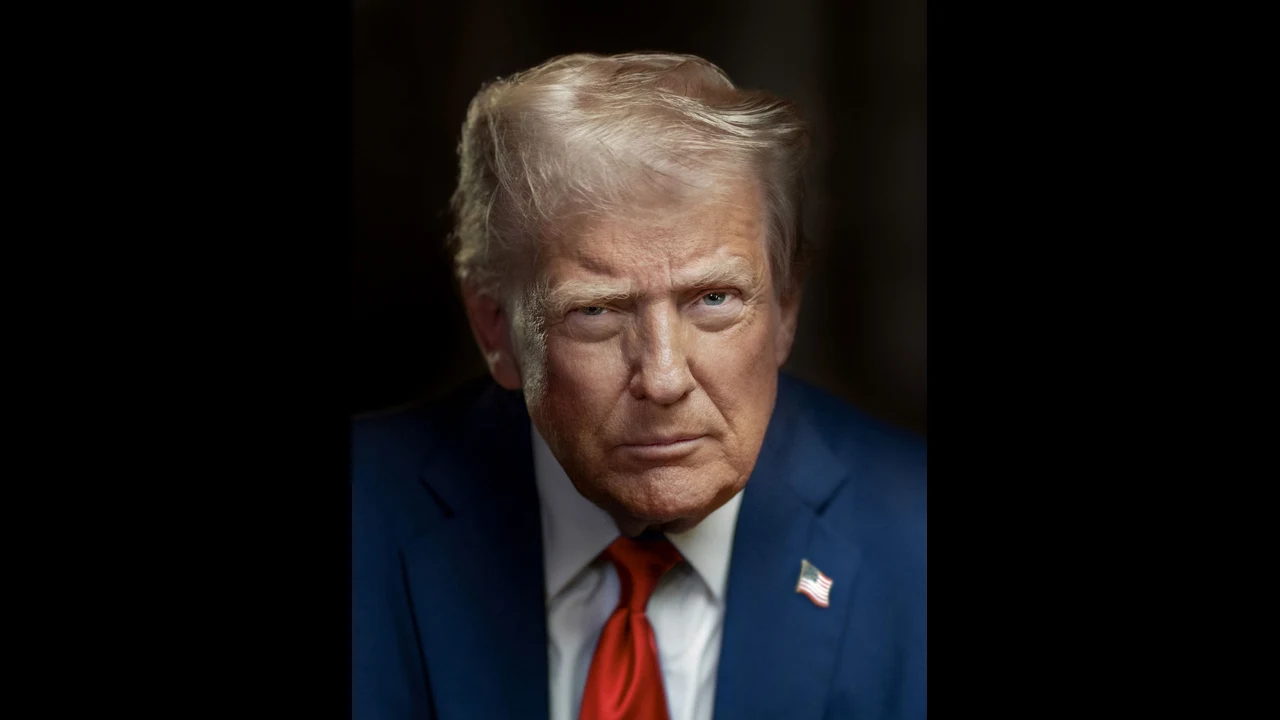
President Donald Trump spoke by telephone with Israeli Prime Minister Benjamin Netanyahu on Saturday morning, according to The Wall Street Journal, as Washington prepares for a possible resumption of bombing in Iran.
People familiar with the call told the newspaper that Trump was checking in with his Middle Eastern ally, although the contents of the conversation were not disclosed and neither leader has publicly described what was discussed.
Saturday’s call matters because it came days after Trump met his top military commanders at the White House to discuss options for restarting major combat operations, and three days before midterm elections in which the unpopular war has weighed on Republican enthusiasm.
Later on Saturday, speaking to reporters at his Florida residence in Palm Beach, Trump said American forces still had to deal with one or two remaining sites in Iran, including the suspected underground nuclear site known as Pickaxe Mountain.
“We’ve knocked out their nuclear. We still have to take care of, I would say, one or two sites, but we can do that in 10 minutes,” Trump said, adding that negotiations with Iran were “going fine” but that Tehran was “not very reliable.”
Iran’s government has denied that any nuclear work is carried out at Pickaxe Mountain, which Western intelligence has flagged as a site likely used to store nuclear material and which has not yet been struck by the United States in the war.
Secretary of State Marco Rubio said earlier on Saturday, at the end of a meeting of foreign ministers in Atlanta, that Trump had not made a decision on new strikes and that he preferred a diplomatic solution.
Rubio said talks with Iran had never stopped, often through intermediaries, but declined to characterise their progress or to give any timeframe for an agreement.
Washington has warned Gulf allies to prepare for a possible new round of strikes as early as November 4, the day after the midterm elections, according to MSNOW, which cited three senior Gulf Arab officials familiar with the discussions.
Those officials told MSNOW that the strikes were expected to be brief but intense, and that Gulf states were pressing Washington to de-escalate amid fears of Iranian retaliation.
Trump has pledged to refrain from further attacks until after the November 3 elections, and the United States has not struck Iran since September 1.
Iran’s supreme leader warned on Saturday against launching new attacks, and Iranian officials have said Tehran would respond to any renewed strikes by hitting American and Israeli targets in neighbouring countries.
Diplomatic efforts continued in parallel on Saturday, with Iranian negotiators holding talks in Doha with Qatari mediators about paths out of the war, according to a source briefed on the negotiations who spoke to Reuters.
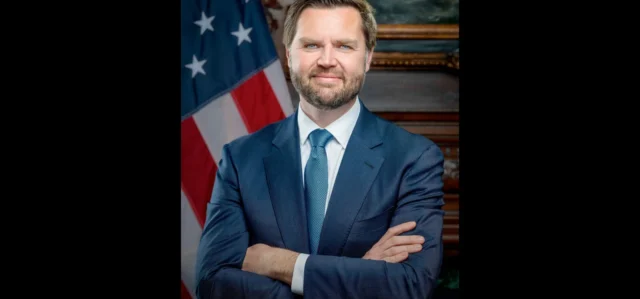
United States Vice President JD Vance has also sent a letter to Iran’s security chief, Mohsen Rezaei, through Qatari mediators, in an attempt to reopen dialogue.
Netanyahu has been the loudest voice for resuming strikes, The Wall Street Journal reported last week, pushing for a return to attacks in hopes of degrading Iran and ultimately toppling its government.
That push sits uneasily with the politics of the midterm campaign, where the Journal reported that the war has contributed to higher fuel prices and been a drag on Republican enthusiasm.
Trump is making a final push to motivate Republican voters ahead of Tuesday’s vote, which will decide control of Congress, and the timing of any military decision is now tied to the election calendar.
What remains unconfirmed is the content of Saturday’s call, whether any decision on strikes was discussed, and whether a new campaign would be an American operation or a joint one with Israel.
No new report quotes either leader, the White House or the Prime Minister’s Office on the call, and no announcement of a decision on fresh strikes has been made.
What is known is the sequence: a commanders’ meeting at the White House earlier in the week, a leaders’ call on Saturday morning, a public warning about remaining targets later the same day, and a possible window for action opening on November 4.
Whether Trump orders strikes will become clear within days, once the votes of November 3 are counted and the post-election window described by Gulf officials arrives.